Simple Ways to Create a Bee-Friendly Garden
How to Create a Bee-Friendly Garden in Southern Tasmania
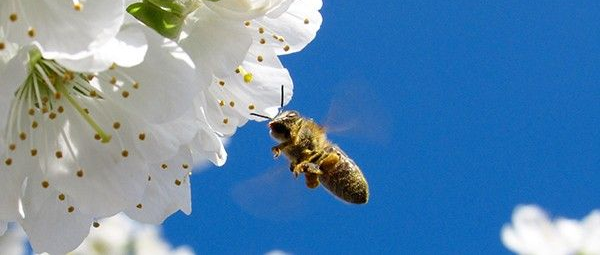
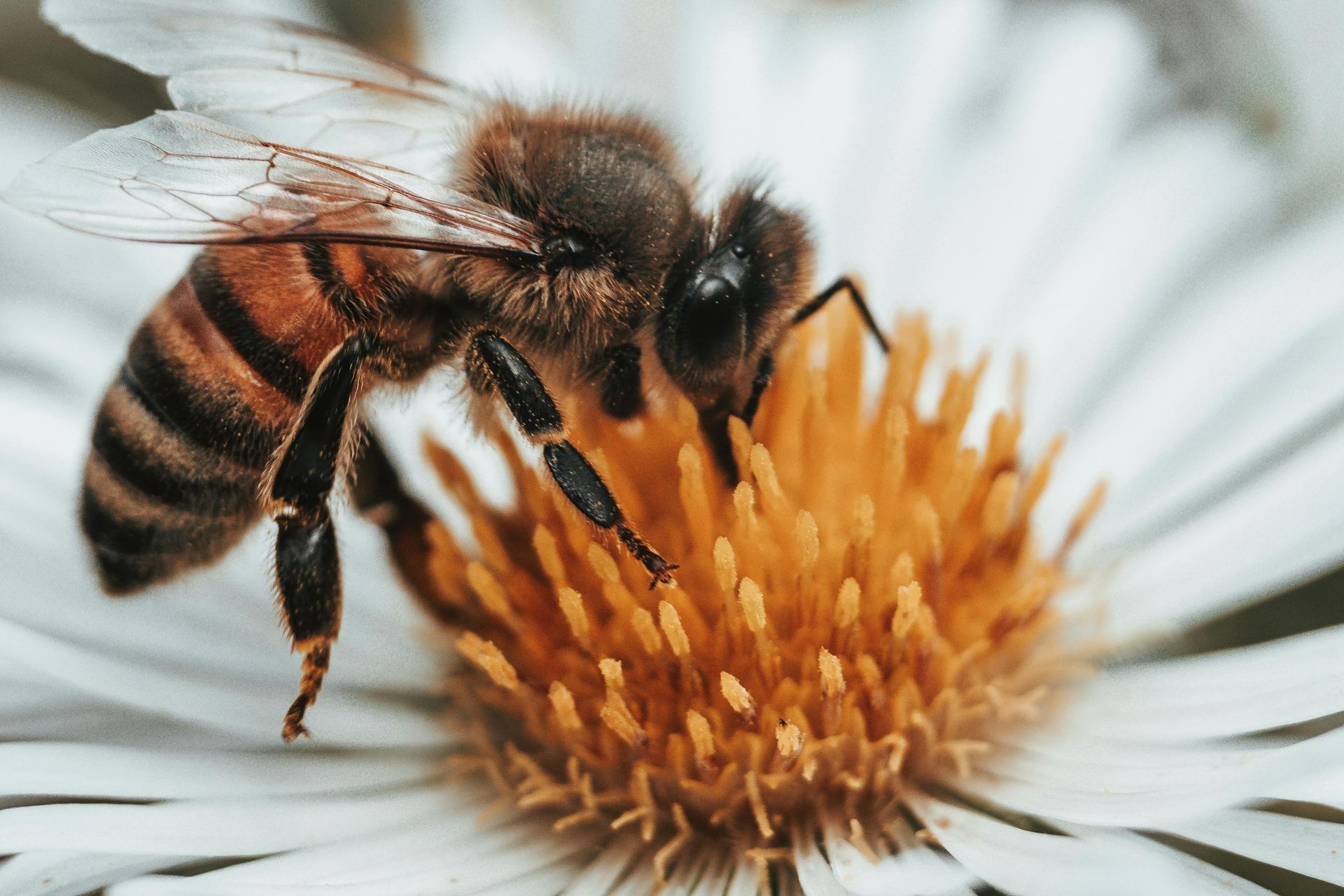
There’s something pretty special about a garden buzzing with bees.
As well as bringing the garden to life, bees are important pollinators for many of our flowers, fruit trees and vegies. And you don’t need a huge garden to give them a helping hand.
From a rambling cottage garden to a vegie patch or a few pots on the patio, there are plenty of simple ways to make your garden more bee-friendly.
Bees are close to our hearts at Stoneman’s - Jo and Graham are beekeepers themselves. They know the pleasure of seeing a garden buzzing, and how much a steady supply of flowers matters to visiting bees.
Fill Your Garden with Flowers
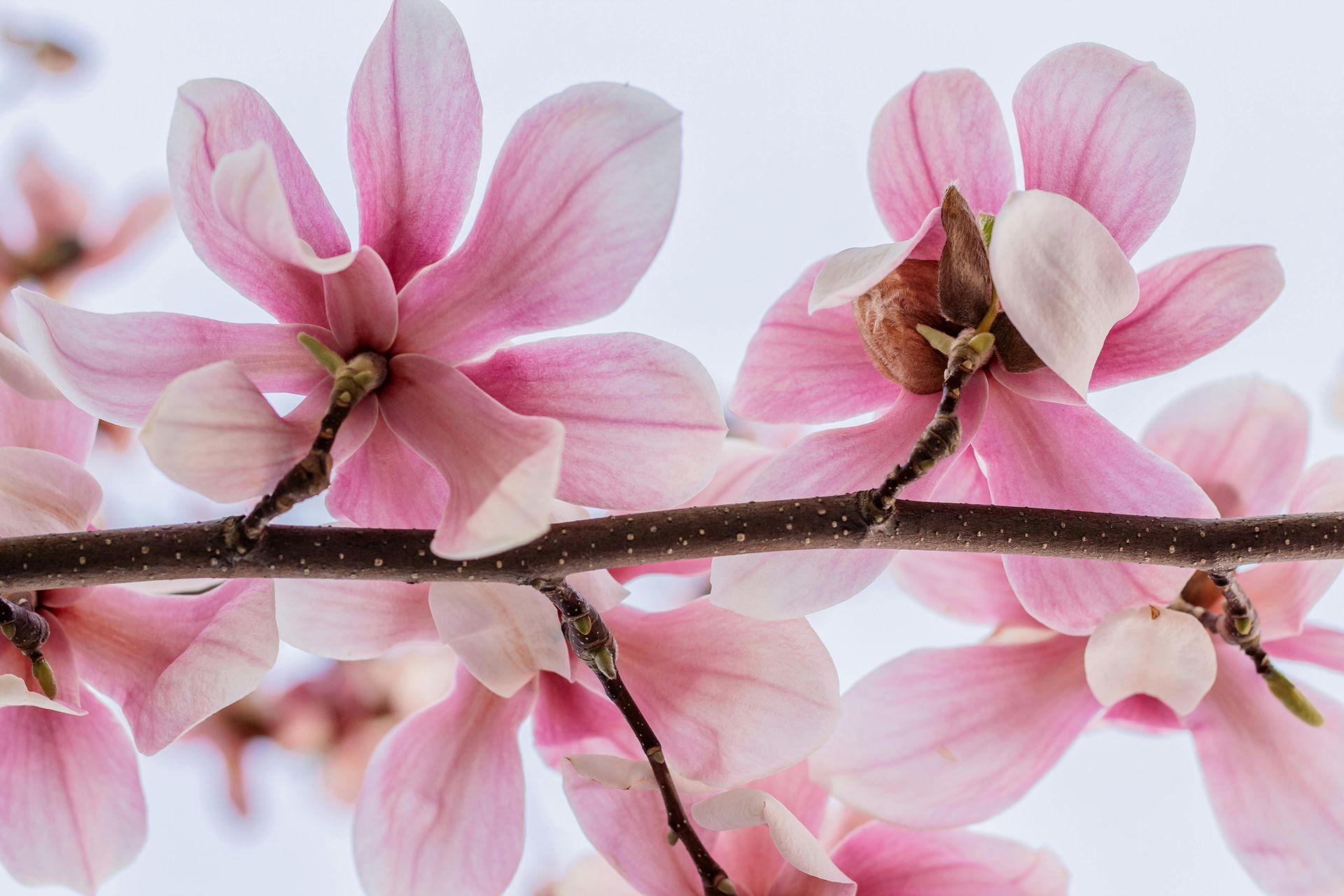
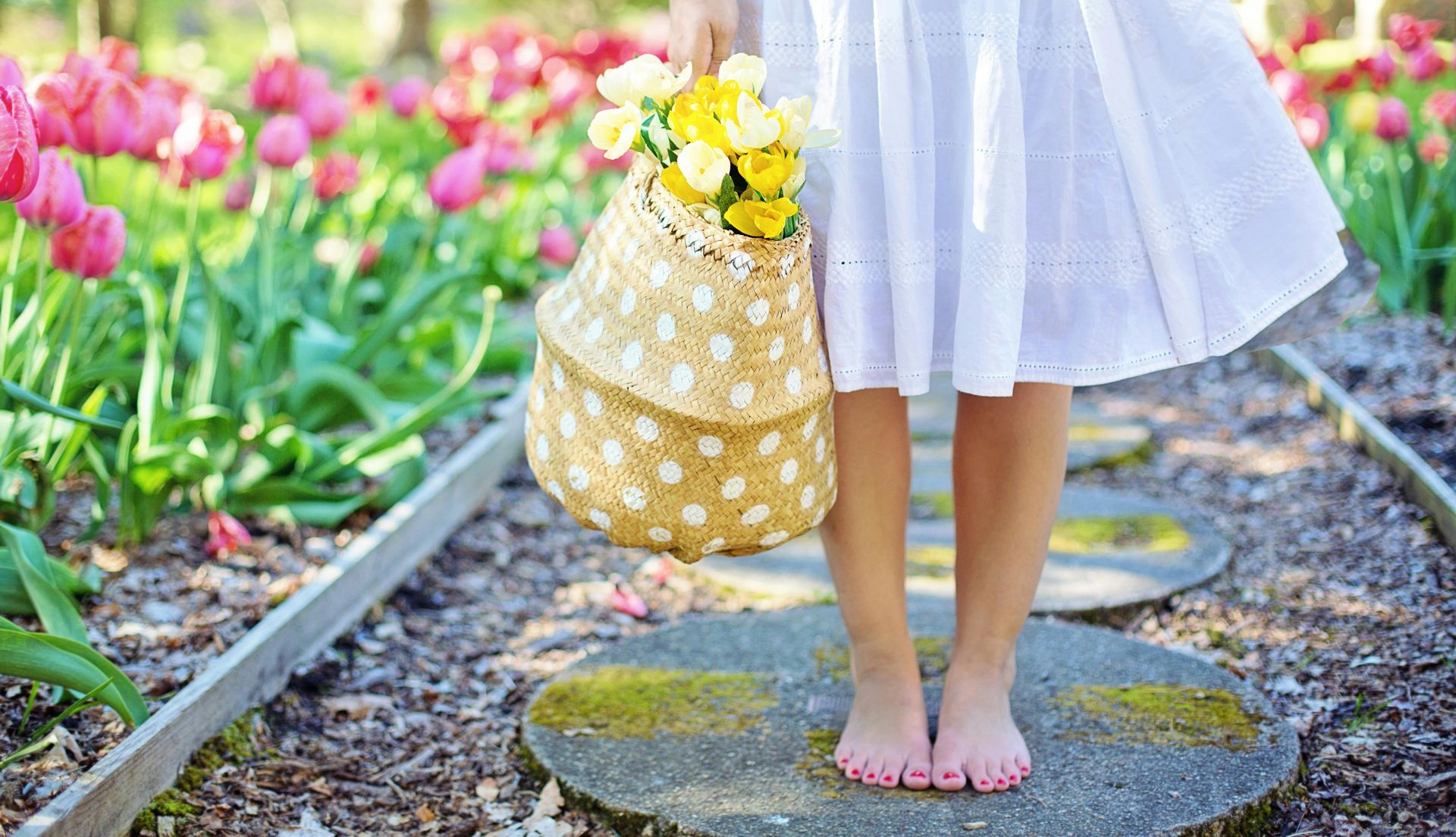
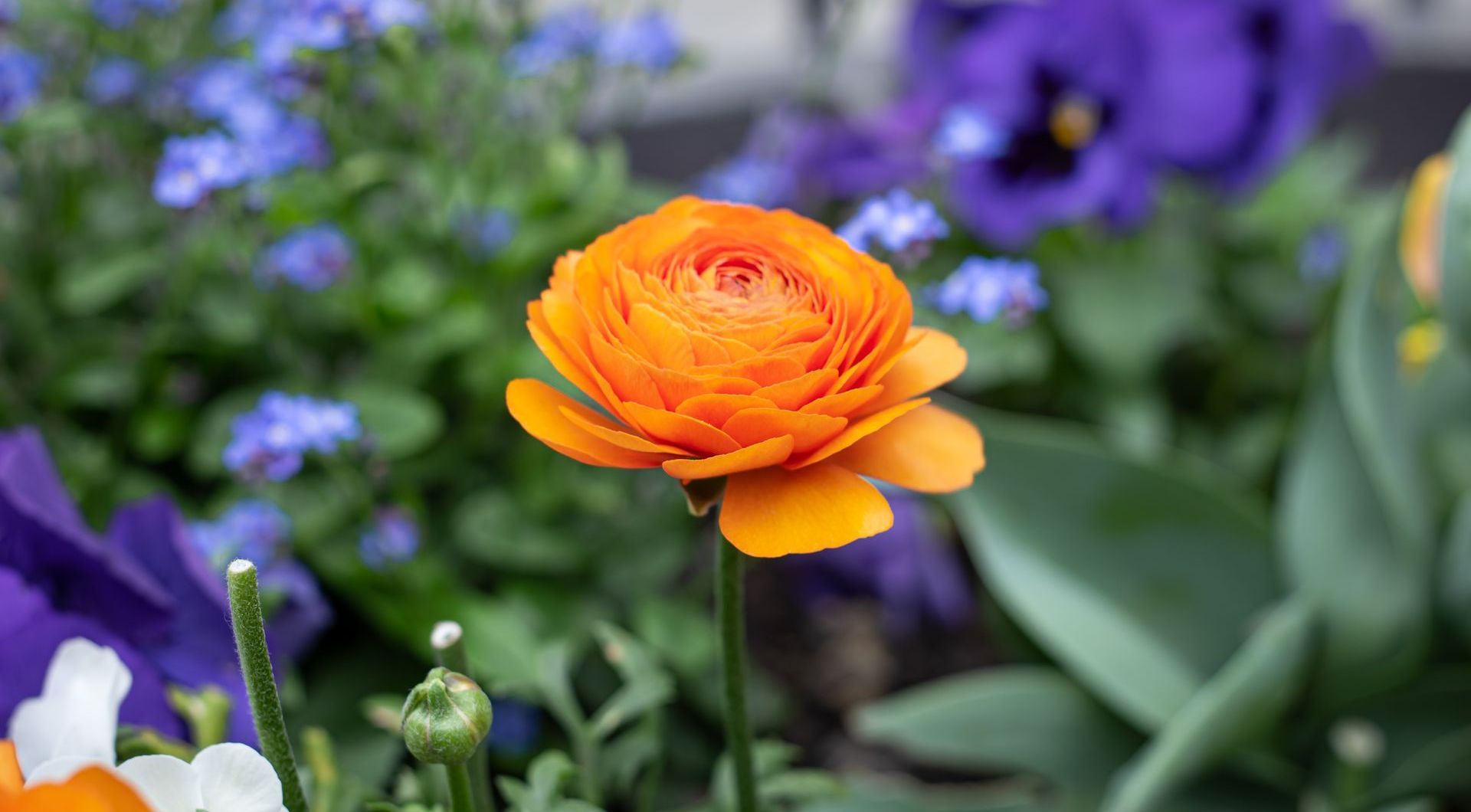
The easiest place to start is with flowers - and lots of them.
Bees need both nectar and pollen, so growing a good mix of flowering plants gives them plenty to choose from. If you have the space, planting a few of the same variety together creates an easy-to-find patch for visiting bees.
Flowering herbs such as lavender, rosemary, thyme and sage are great choices, along with cottage garden favourites, flowering fruit trees and plenty of Australian natives. Native plants including correas, grevilleas, bottlebrush, wattles and tea trees can also provide valuable food for visiting pollinators.
Think about flowering times too. A mix of plants flowering through spring, summer and autumn means that as one display finishes, another is beginning - giving bees a more reliable source of food and keeping your garden colourful for longer.
Not sure what will work in your garden?
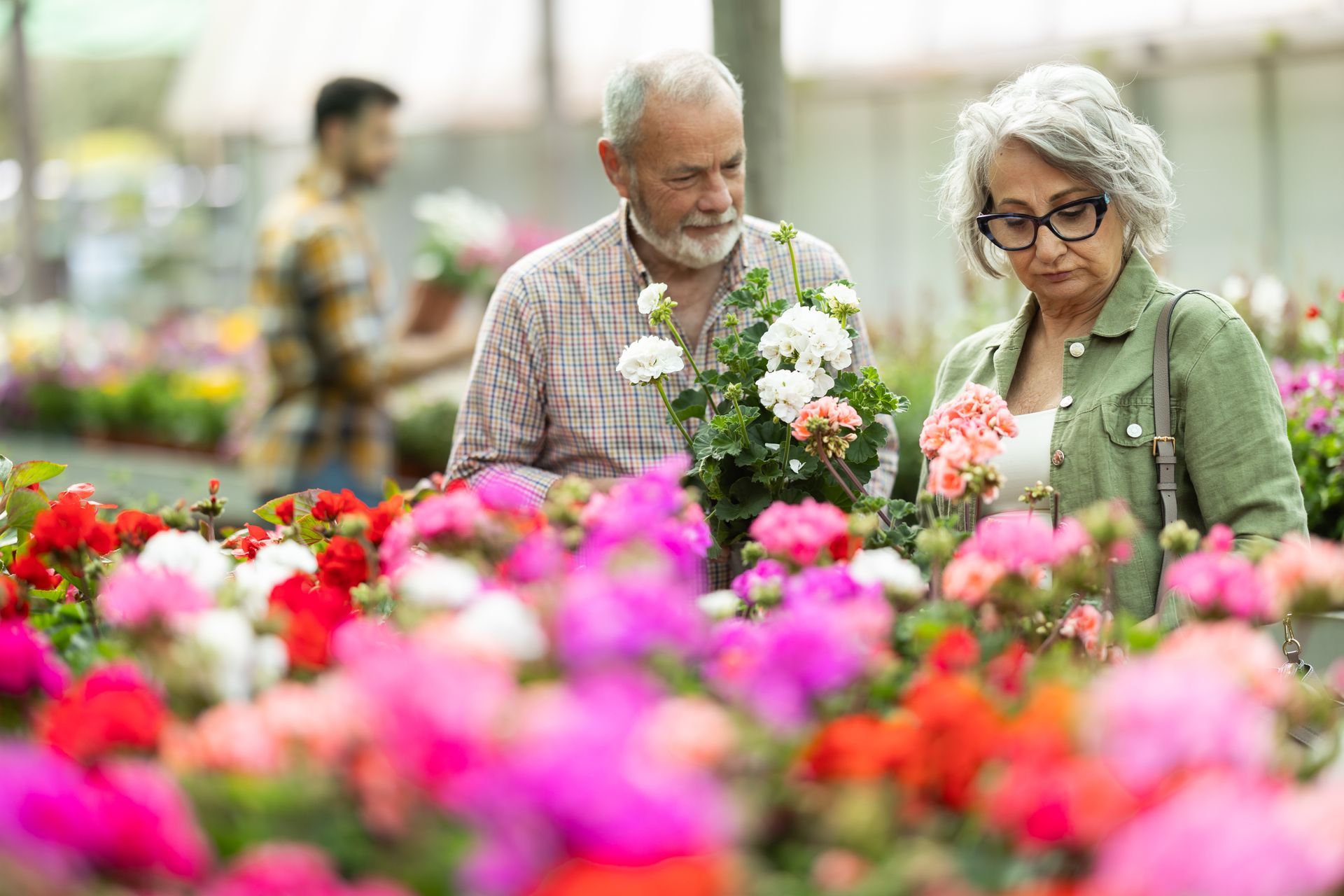
Come in and have a chat with us. Sun, shade, frost, wind and available space can all help determine the best choices.
Let the Herbs Flower
Here’s a very easy one - do a little less. Instead of cutting every herb back as soon as it begins to flower, leave a few for the bees. Rosemary, thyme, oregano, sage and other flowering herbs can be incredibly popular with pollinators. You get herbs for the kitchen, flowers for the bees and an excellent excuse not to tidy that particular corner of the garden just yet.
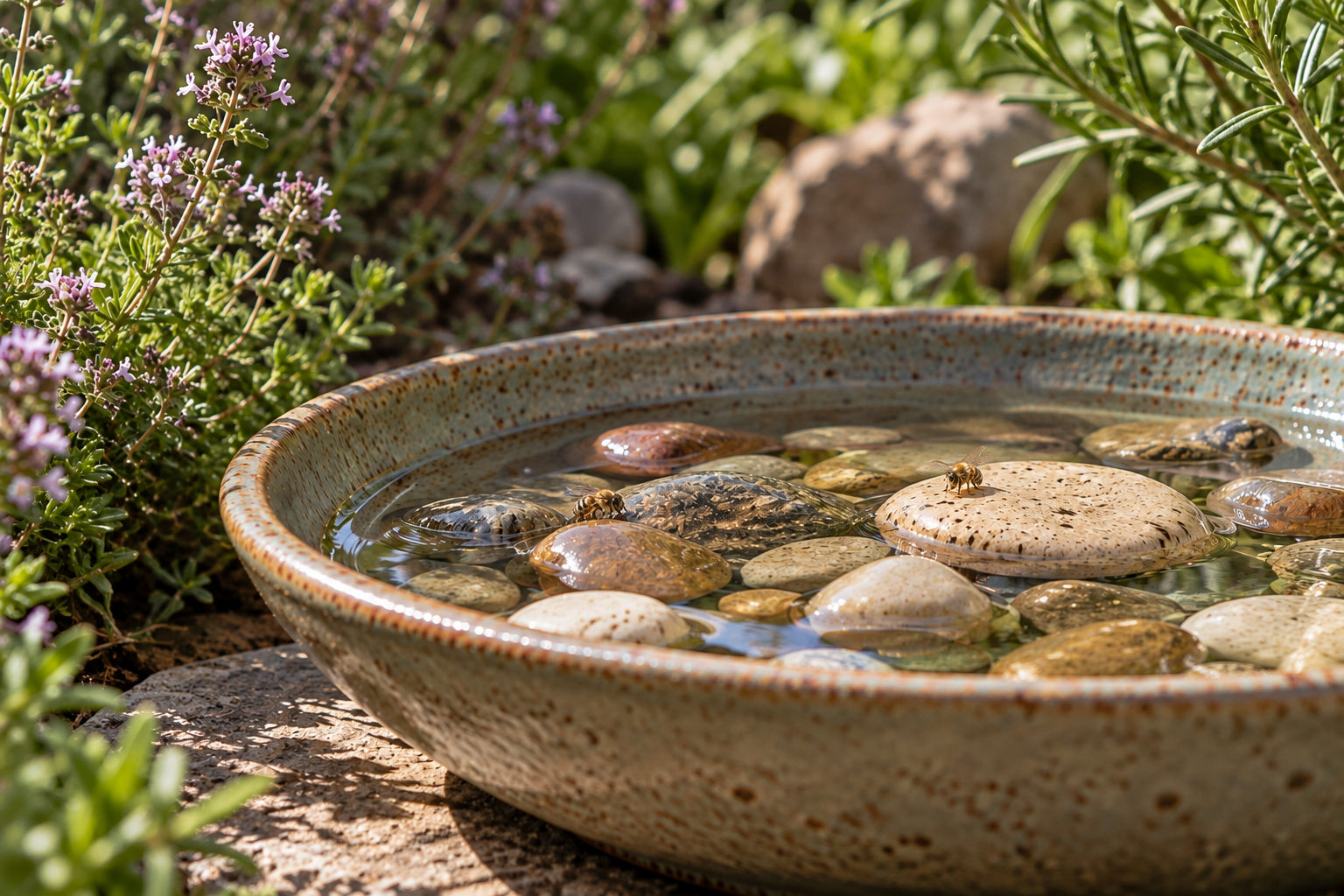
Give bees a drink
Bees need water too, especially as the weather warms up. A simple bee water bowl is an easy way to give them a safe place to stop for a drink.
Fill a shallow bowl with pebbles, stones or small pieces of timber, then add enough water to create plenty of shallow edges and dry landing spots so bees can drink without falling in.
And it doesn’t need to be sparkling clean! Bees are often attracted to water containing natural salts and minerals from soil, algae and other organic matter. A little murkiness, algae or natural slime on the rocks is perfectly fine, so there’s no need to scrub the bowl spotless or use soap.
Place your bee bowl somewhere sheltered near flowering plants, keep the water topped up, and you’ve created a simple little watering stop for your garden visitors.
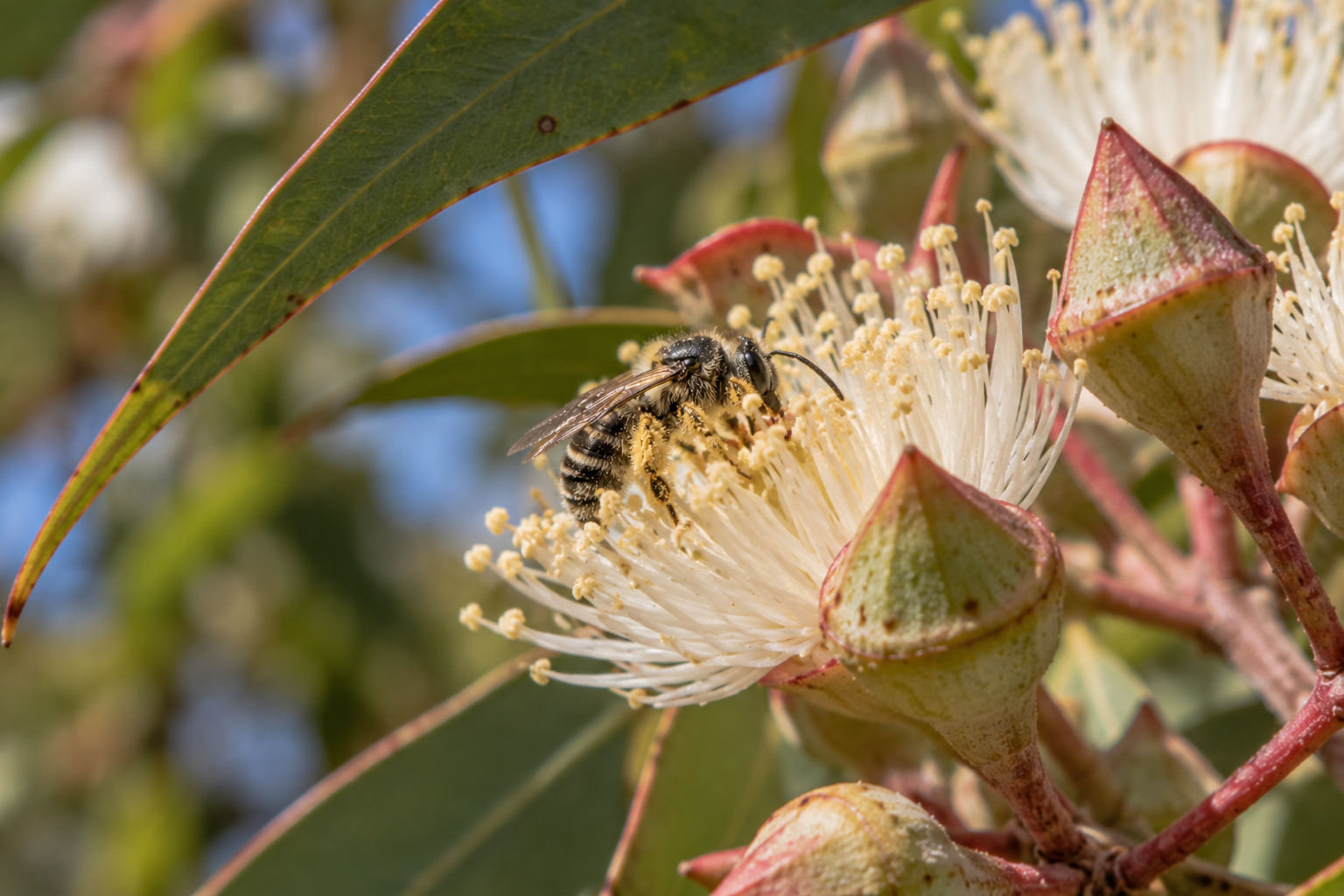
Don’t Forget Our Native Bees
Honeybees might be the bees we notice most often, but Tasmania is also home to more than 40 species of native bee.
Many of our native bees are solitary and make their nests in places such as bare ground and hollow plant stems rather than living together in a hive.
A garden with plenty of flowering plants and a few less-manicured areas can therefore offer more than food - it can provide valuable habitat too. Another good reason not to make every corner of the garden perfectly tidy.
Think Before You Spray
A garden full of flowers is much more useful to bees when we’re also thoughtful about what we spray on them.
Before reaching for a pesticide, work out what the problem actually is and whether it really needs treating. If treatment is necessary, always follow the label directions carefully and consider bees and other beneficial insects when choosing what to use and when to apply it.
Sometimes a little insect activity is simply part of having a healthy, living garden.
No Backyard? No Problem
You don’t need garden beds - or even a backyard - to create a bee-friendly garden.
Pots filled with flowering herbs, dwarf fruit trees, annuals, perennials or compact natives can provide a valuable food stop for visiting bees.
A sunny courtyard, balcony or doorstep can still get buzzing.
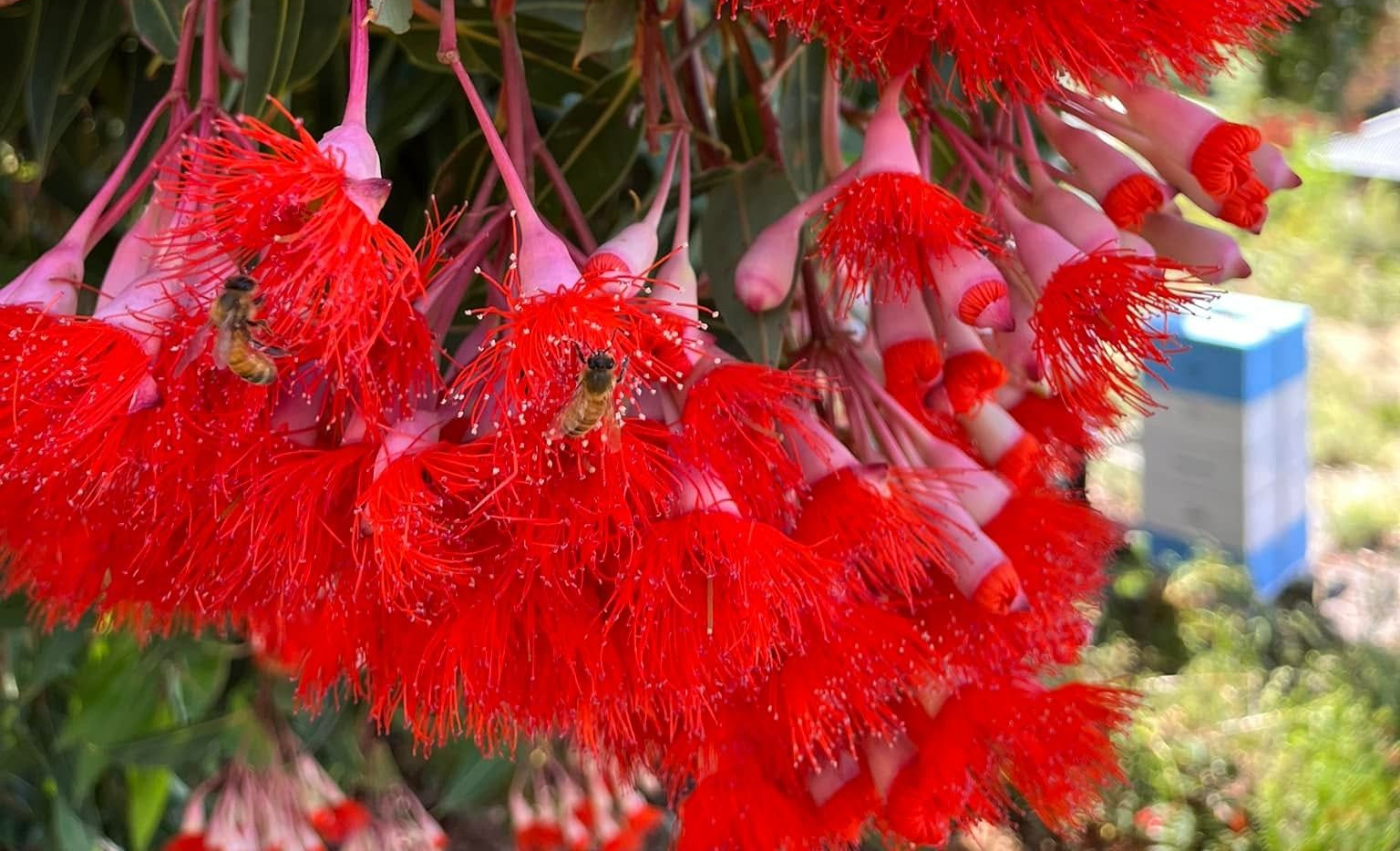
Do You Need a Beehive to Help Bees?
Not at all. Simply growing bee-friendly plants and creating a diverse garden can provide valuable food and habitat for visiting pollinators.
And because many of Tasmania’s native bees are solitary, a traditional beehive isn’t where they’ll make their home anyway. Instead, they may nest in bare or lightly vegetated ground, small holes and hollow plant stems.
Leaving a few areas of the garden a little less tidy can help too. Allow some stems to remain, leave small patches of undisturbed ground and grow plenty of flowers nearby.
You don’t need to keep bees to help bees - sometimes you just need to garden with them in mind.
Get Your Garden Buzzing
Creating a bee-friendly garden doesn’t need to be complicated. A few extra flowers, some herbs left to bloom, a flowering native or a pot filled with colour can all help.
At Stoneman’s, you’ll find a changing range of flowering plants, herbs, natives, fruit trees and garden favourites suited to Southern Tasmanian conditions.
Come in and have a wander, tell us about your garden and we’ll help you find something both you and the bees will love.