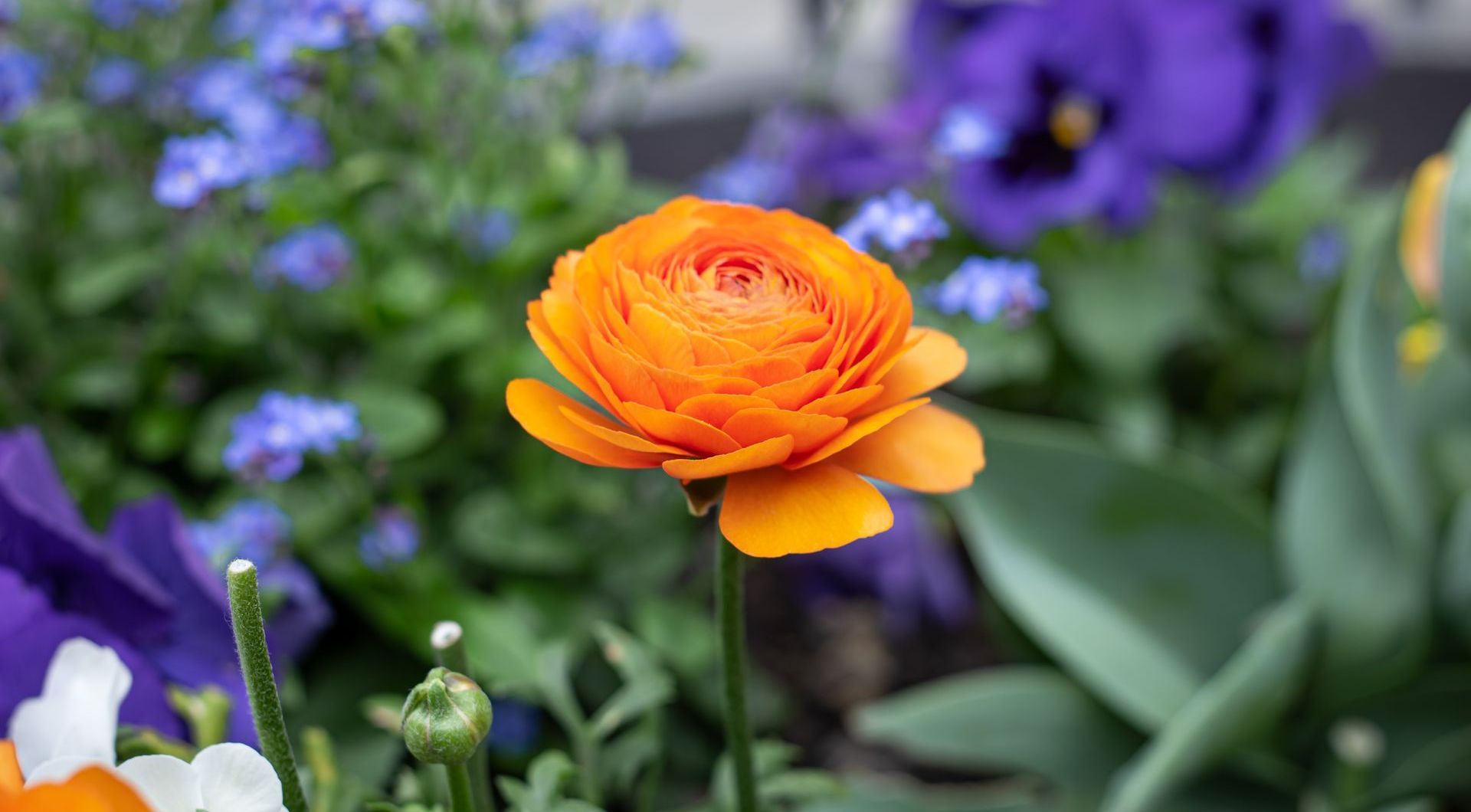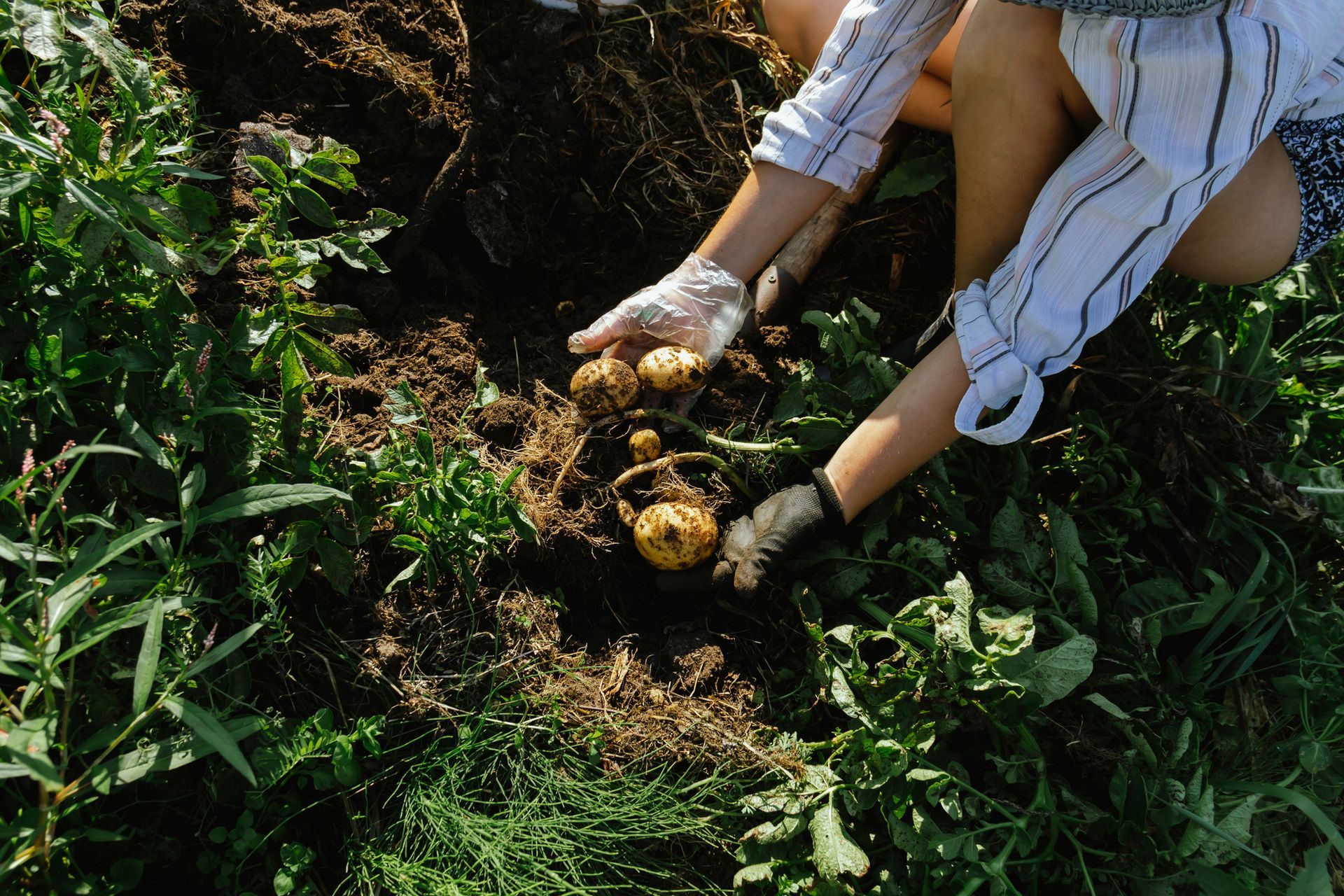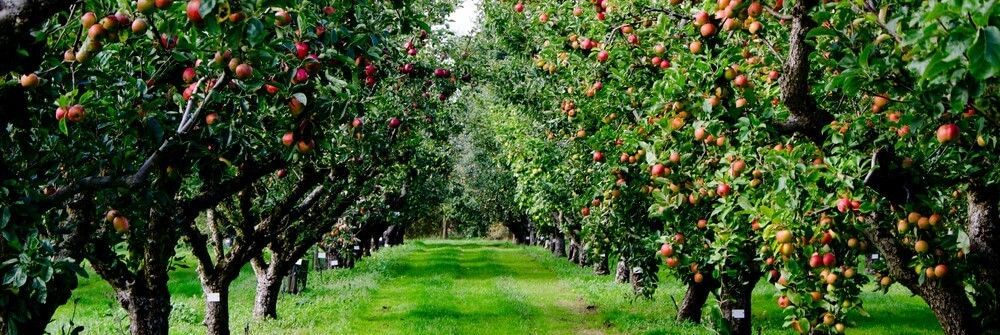
Summer is in full swing, and February in the Tasmanian garden is a vibrant, colourful, and productive time. Our kitchen gardens are overflowing with warm-season fruits, vegetables, and herbs, rewarding all the care and attention we’ve put in with fresh, flavour-packed produce perfect for summer feasting. At the same time, flower gardens are ablaze with colour, from bright annuals to late-season perennials, attracting bees, butterflies, and other beneficial insects.
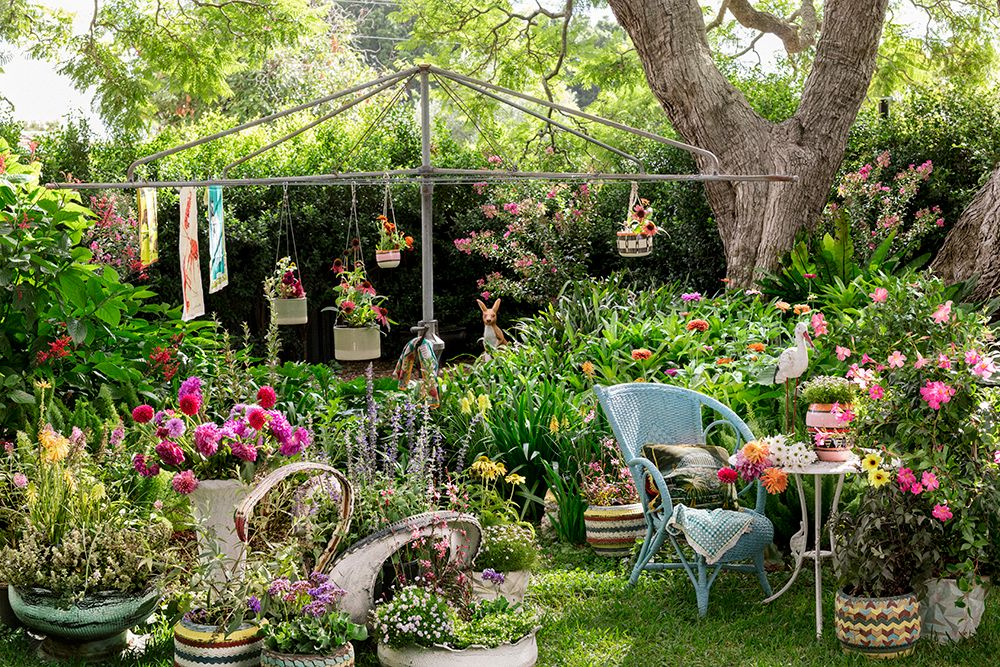
It’s a wonderful month to enjoy the garden in all its glory and embrace some garden-life balance - whether you’re harvesting your edible crops, tending your blooms, or simply relaxing outdoors in the warm Tasmanian sunshine.
February Tasks
February is a busy but rewarding month in the garden. In the edible garden, regular harvesting keeps vegetables, herbs, and fruiting plants productive and full of flavour, while also preventing crops from becoming woody or overripe.
Water early in the morning to let the soil absorb moisture before the heat of the day, and mulch generously to retain soil moisture, keep roots cool, suppress weeds, and improve soil health. Warm, humid weather can encourage fungal problems like downy mildew and rust, so inspect plants regularly and act promptly. Keep an eye out for pests, and if you’re unsure, bring a photo into Stoneman’s Garden Centre for advice on the best control measures.
Prune annuals as they finish flowering and feed with a potassium-rich fertiliser to encourage more blooms, and remove weeds before they set seed to maintain a healthy, productive garden all season long.
What to Plant in February
Flowers
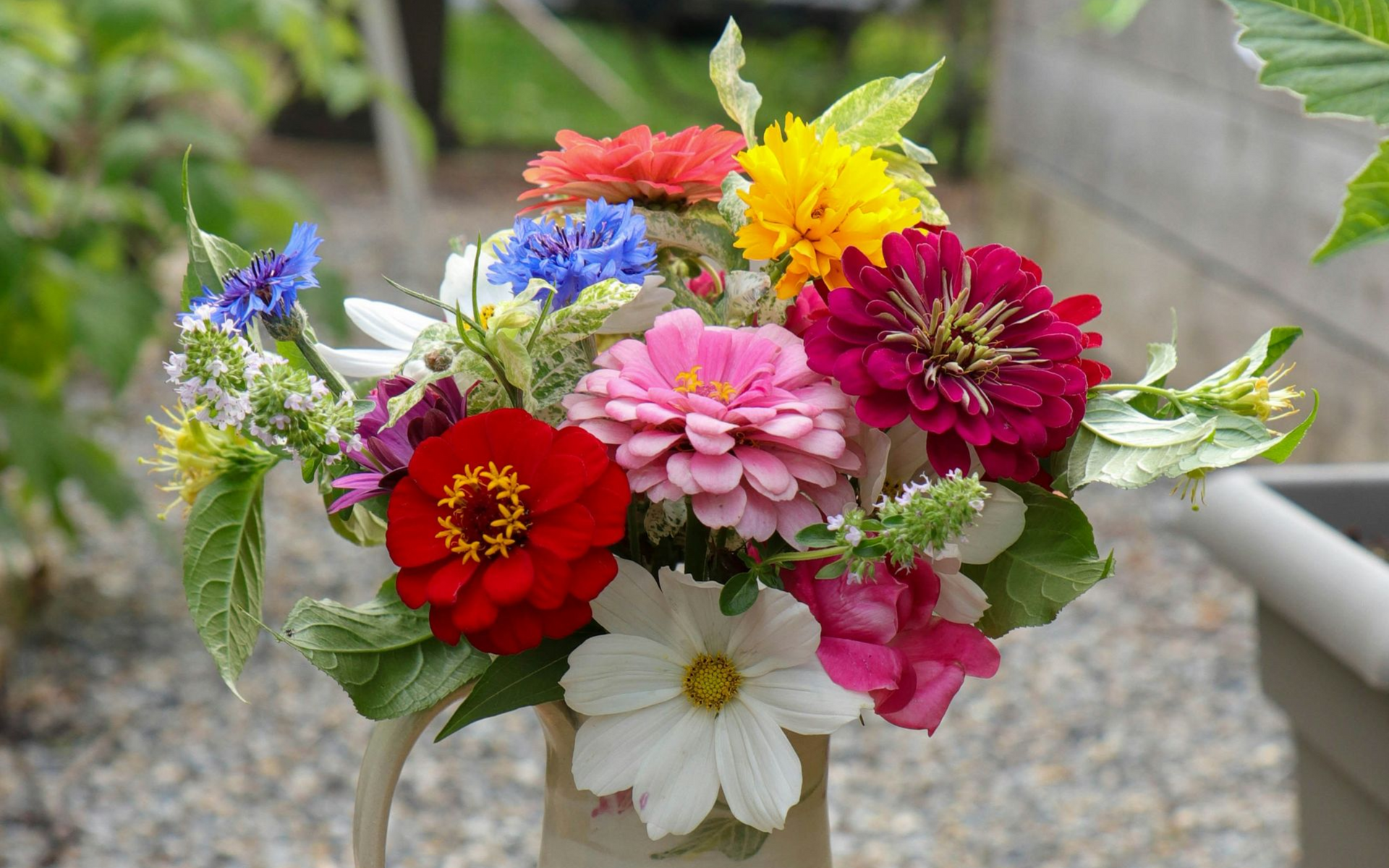
Add colour and attract beneficial insects with:
• Alyssum • Calendula • Nasturtium • Marigolds • Vinca • Dianthus • Lobelia • Zinnia
Later in the month, prepare pots and hanging baskets for winter displays. Use fresh potting mix, add a controlled-release fertiliser, and trim back long tendrils on Wisteria and other climbing plants.
Dead-heading roses, perennials, and annuals will encourage them to keep flowering into autumn.
Watch out for thrip insects, which thrive in dry weather, particularly on Fuchsias, Camellias, Rhododendrons, Azaleas, Photinias, and Gladioli. Use Yates ‘Success’ for control if needed.
Edibles
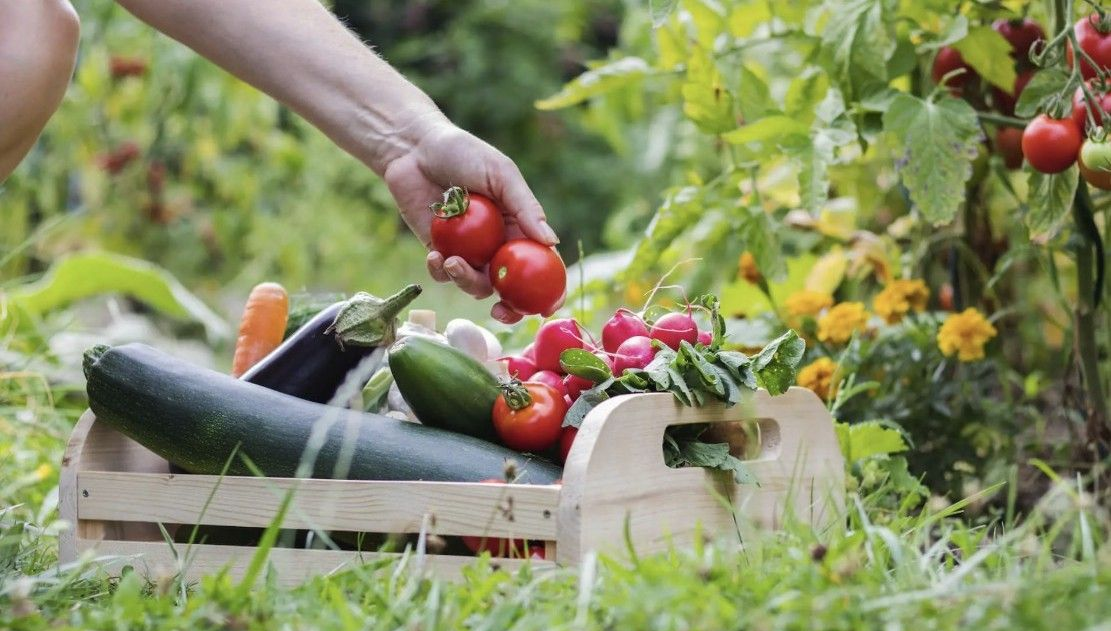
Your edible garden is thriving! By February in Tasmania, the focus shifts from heat-loving summer crops to plants that will carry you through autumn and into winter. It’s a great time to refresh tired summer beds and keep the edible garden productive. February is also a great month to prepare for the cooler months and start sowing and planting for winter.
You can sow:
• Beetroot • Carrots • Parsnips •
Spring Onions • Silverbeet
Sow carrots and parsnips directly into the ground and thin as the leaves emerge. Other seeds can be started in seed trays and transplanted as seedlings.
Best performers for late summer planting:
- Broccoli • Cauliflower • Cabbage • Kale • Silverbeet • Lettuce • Celery • Leeks • Spring onions
- Beetroot • Carrots • Parsnip • Turnip • Radish
Herbs
Great for planting now as weather begins to cool:
- Parsley • Coriander • Chives • Thyme • Oregano • Sage
Other summer crops to continue enjoying and maintaining include:
- Beetroot, Broccoli, Brussel Sprouts, Cabbage, Carrots, Cauliflower
- Capsicum, Celery, Chives, Kale, Leek, Lettuce
- Marjoram, Mint, Onions, Oregano, Parsnip, Radish
- Rosemary, Sage, Silverbeet, Spring Onion, Thyme, Turnip
Support and protect summer crops
Crops like sweet corn and tomatoes can become top-heavy, so ensure they are well supported with stakes or frames. Ensure climbing crops such as peas and beans are trained up their supports and not encroaching on neighbouring plants.
Check ties on bush tomatoes and other vegetables to make sure they aren’t constricting or cutting into stems.
Protect your vegetables from birds and possums with bird netting, making sure the mesh is smaller than 5mm to prevent any wildlife from getting trapped.
On very hot days, consider using shade cloth to protect sensitive vegetable crops. A layer of pea straw or sugar cane mulch will help maintain ideal soil conditions.
Harvest consistently
Pick your summer vegetables regularly to encourage continuous cropping. Any surplus can be frozen, dried or preserved so nothing goes to waste.
Weeds
Keep weeds under control by hand-pulling or hoeing them out - they compete for nutrients and water and can harbour pests that may damage your crops.
Summer Fruit Trees
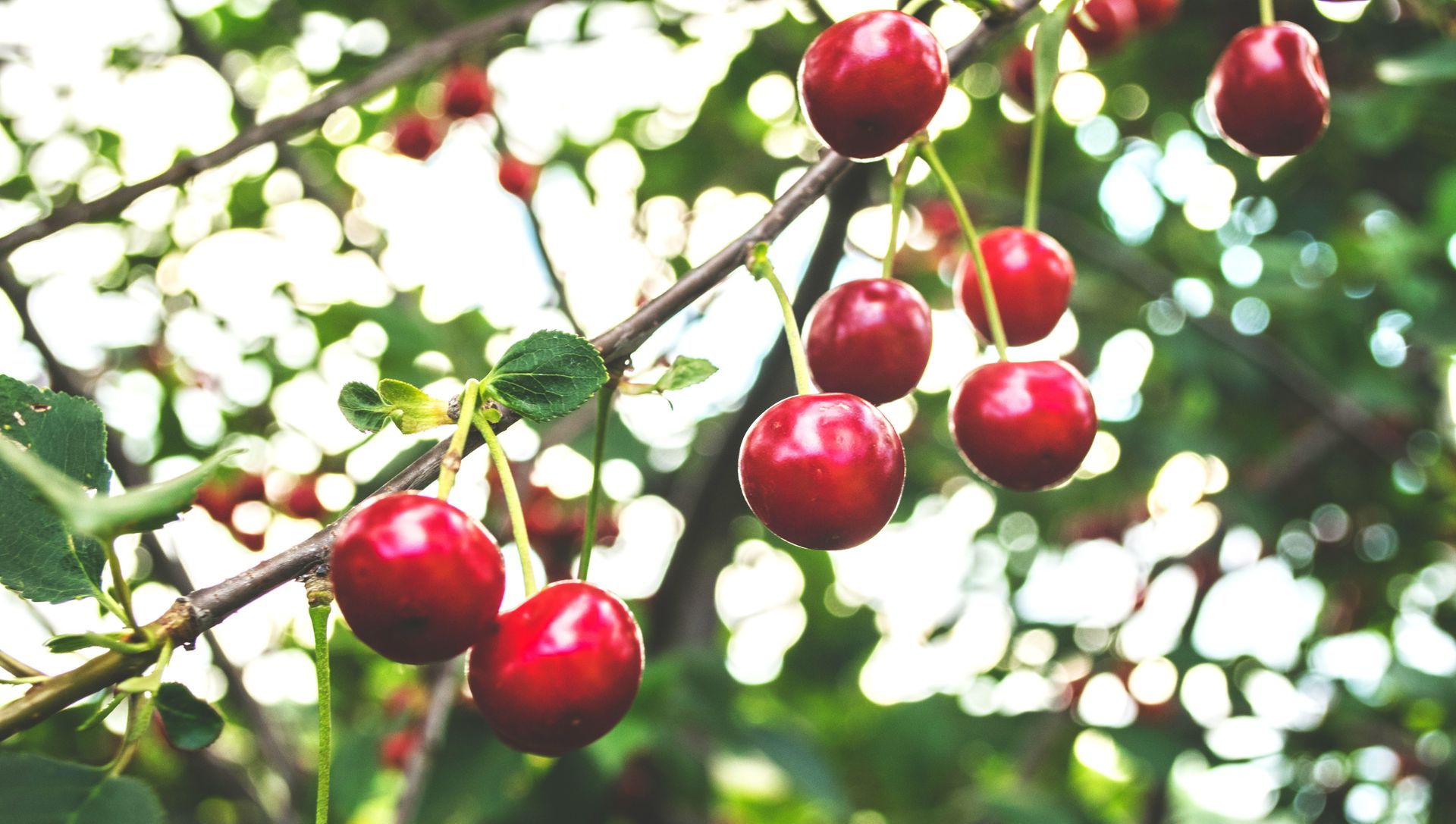
February is an excellent time to look after your summer fruit trees. Trees such as peaches, nectarines, plums, apricots, and cherries are producing their peak crops now. To ensure a healthy harvest:
- Harvest regularly to enjoy fruit at its best and prevent overloading branches.
- Mulch around the base to conserve moisture and protect roots from the summer heat.
- Water deeply and consistently, especially during dry spells, to support fruit development.
- Monitor for pests and diseases, such as fruit fly, aphids, or fungal spots, and take early action.
By maintaining your summer fruit trees now, you’ll enjoy sweet, juicy fruits straight from your garden and reduce stress on the plants for the coming months.

Preparing for the Months Ahead
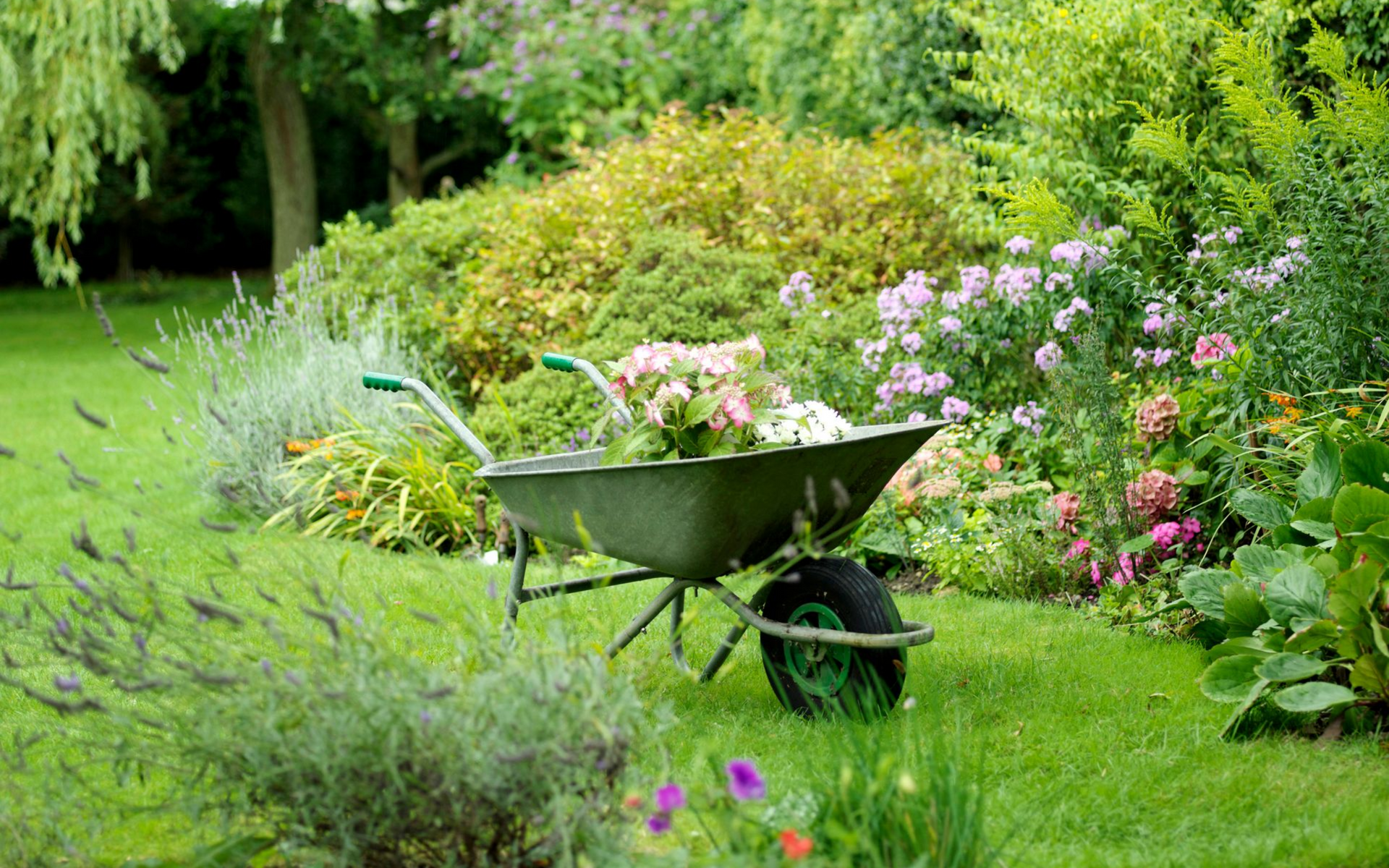
While February is all about abundance, it’s also the time to start preparing your garden for cooler weather. Healthy soil, consistent watering, and good garden hygiene now will set you up for a successful autumn and winter garden.
If you need advice, plants, pest control solutions, landscaping supplies - in fact anything to do with the garden - the team at Stoneman’s Garden Centre is always happy to help - we truly are your one-stop shop!
And finally, don’t forget to slow down and enjoy your garden. February is about more than jobs and to-do lists - it’s about soaking up the warmth, sharing meals made with homegrown produce, and spending time outdoors with friends and family. Tasmanian summers are beautiful but fleeting, so take the opportunity to sit in the shade, enjoy the evening light, and appreciate all the hard work your garden has rewarded you with. Before we know it, the cooler days will be on their way.
Check out our
Summer Gardening blog for more handy tips and advice!