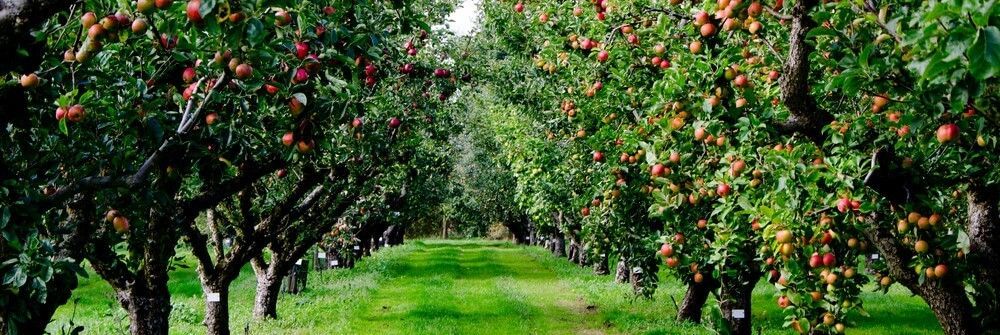
Tasmania’s Autumn Planting & Harvest Guide
March in Tasmania signals the start of autumn gardening - a season of transition and opportunity.
As summer fades, soaking autumn rains begin, while the warmth of summer sun still lingers in the soil, protected by fallen leaves acting as a natural mulch. With cooler temperatures and more reliable rainfall, this is the perfect time to prepare your garden for winter and spring growth.

What to Plant in March
Tasmania’s mild autumn weather makes March ideal for cool-season crops and vibrant flowers.
Flowers to Plant Now
Autumn is ideal for these colourful seasonal flowers:
Cyclamen, Primulas, Polyanthus, Violas, Dianthus and Pansies.
Sweet peas should be sown around St Patrick’s Day. They thrive in sunny, well-drained soil and benefit from dolomite lime if your soil is acidic.
Spring-flowering bulbs start arriving in March and can be planted over the next six weeks
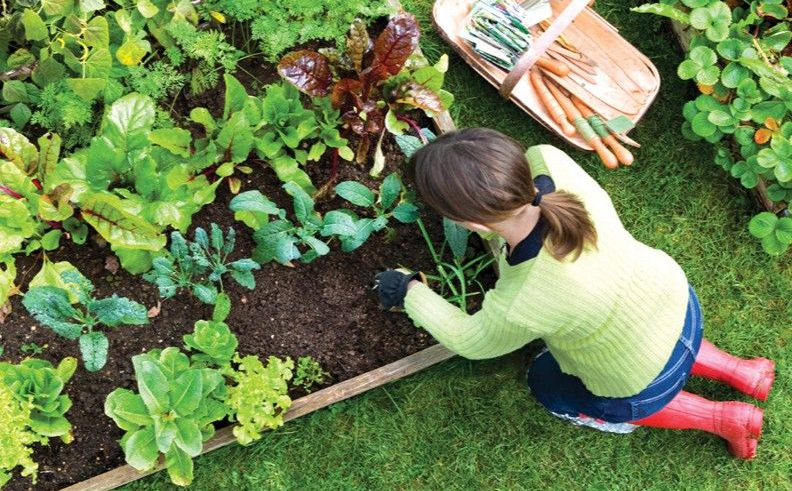
Vegetable Seedlings to Plant Now
Beetroot, Broccoli, Cauliflower, Celery, Leeks, Lettuce, Cabbage, Wombok, Silverbeet, Spinach, Kale,
Spring Onions and Chives.
Leeks thrive in full sun and fertile, well-drained soil. For thick, white stems, plant seedlings at least 10cm deep and space widely. For slimmer stems, space seedlings about 100mm apart.
Seeds to Sow in March
Early March is perfect for sowing:
Carrot, Parsnip, Beetroot, Turnip, English spinach, Broad beans, Peas (frost-free districts only), Asian leafy vegetables, Asian root vegetables, Radish, Spring & salad onions, Lettuce, Garlic cloves.
If resting a vegie bed over winter, sow a green manure crop. Green manure improves soil structure, adds nutrients, and prepares beds for spring planting.
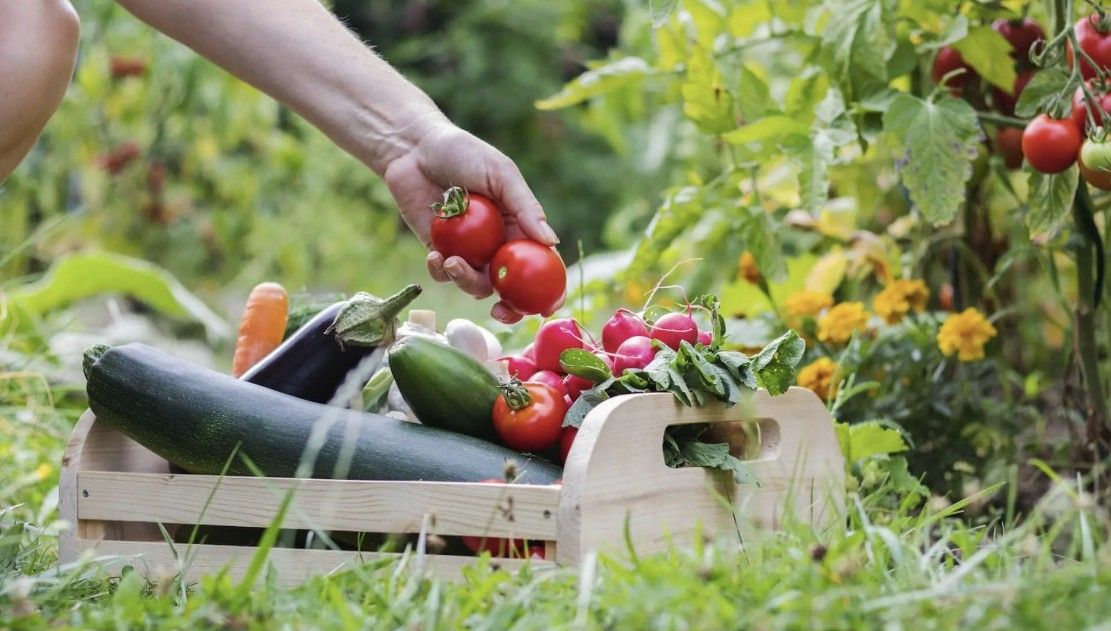
What to Harvest in March – Late Summer Crops
Even as summer fades, many vegetables are still producing:
Vegetables
- Beans, zucchinis, capsicums, chillies, cucumbers – can be snap-frozen or pickled.
- Tomatoes – turn ripe fruit into passata, sauces, chutneys, or freeze in meal-sized portions. Green tomatoes can be made into pickles.
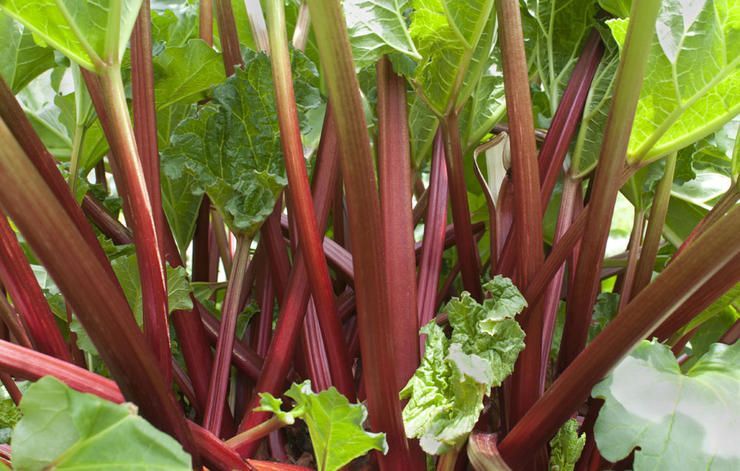
- Lettuce, rocket, silverbeet, spinach, rhubarb – enjoy fresh, or blanch/cook and freeze for winter use.
Root & Storage Crops
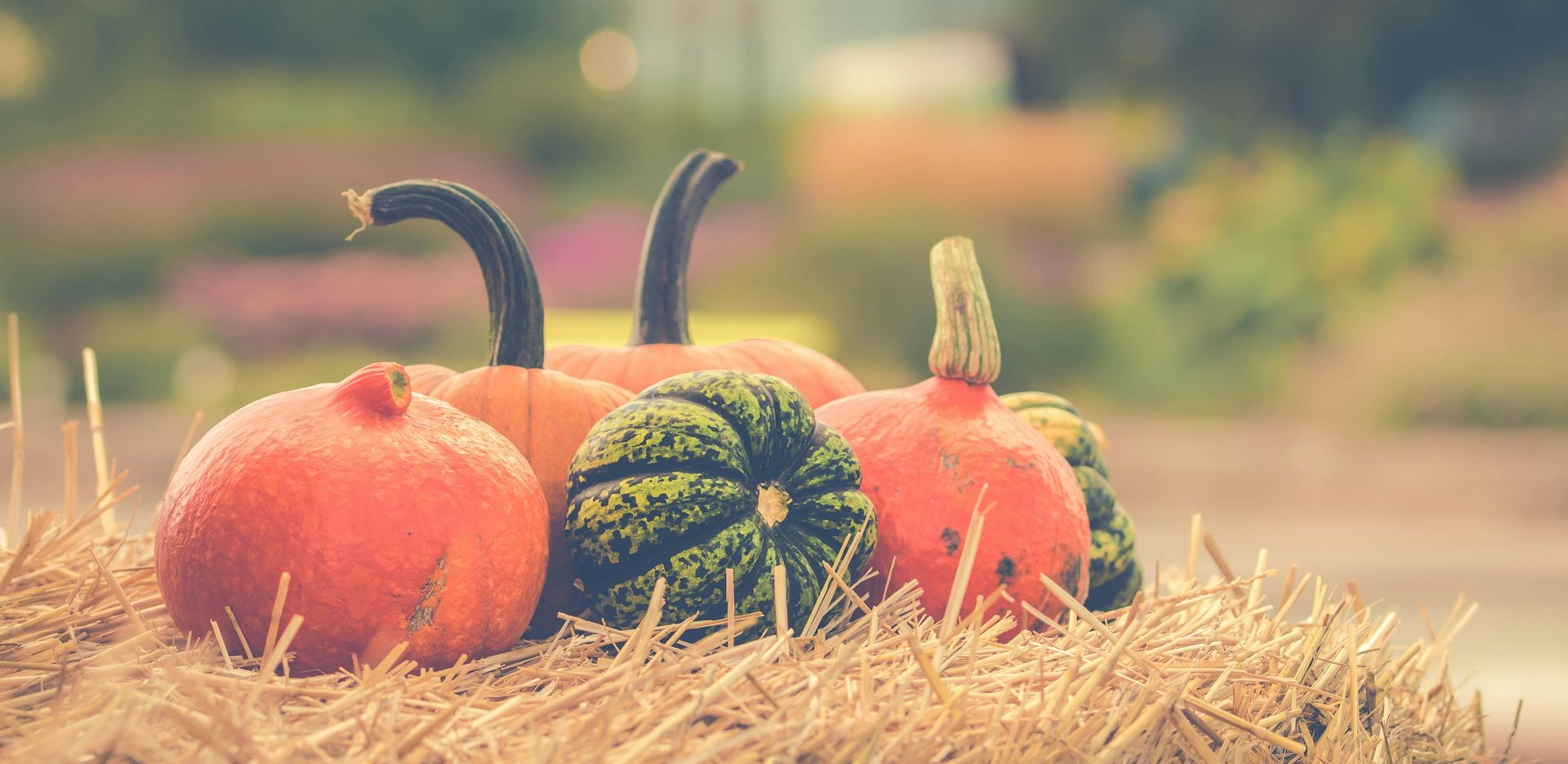
- Pumpkins – leave on the vine until plants die after the first frost. Harvest with a stub of stem and store in a cool, dry, ventilated area.
- Potatoes – dig before wet, cold weather; dry in the sun, brush off soil, and store in a dark, cool place with good air circulation.
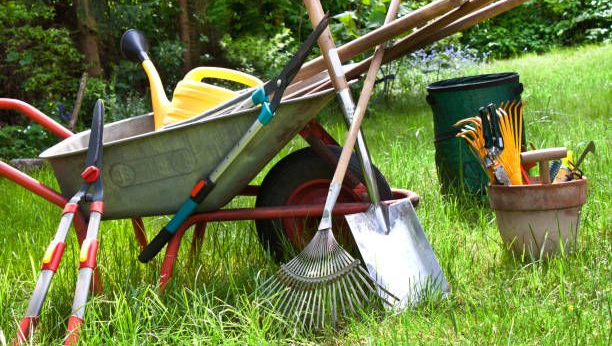
March Garden Jobs – Autumn Care Tips for Tasmania
Preparing Your Garden Beds
After harvesting and as flowers and vegetables fade:
- Remove spent plants.
- Dig over the soil to a depth of around 300mm.
- Add organic compost, fertiliser, and lime as needed.
- Water thoroughly to prepare beds for winter planting of vegetables, flowers, and bulbs.
- Apply dolomite lime to lawns and apple trees if required.
- Feed citrus trees and monitor for scale or sooty mould, treating with Eco-oil or a scale gun if needed.
- Fertilise lawns with a quality lawn food to help them recover from summer stress.
- Water deeply at least once a week during dry spells; add a wetting agent to encourage deep soil penetration.
- Hand-pull or hoe out weeds as they appear to reduce competition and pest habitats.
- Use snail and slug traps or baits to protect young seedlings.
- Prune roses for a vibrant autumn flush of flowers.
- Feed cymbidium orchids to promote strong flower spikes.
- Refresh your herb garden, sowing carrots, broad beans, radish, parsnip, and locally grown garlic seed.
- Plant natives and advanced trees - autumn’s soil warmth helps roots establish before winter.
March is a month of transition and preparation in Tasmania - a time to reflect on the abundance of summer while setting the foundation for the cooler months ahead. With warm soil still encouraging strong root growth and autumn rains refreshing garden beds, it’s the ideal opportunity to plant, harvest and improve your soil.
It’s also the perfect time to take stock of your summer garden - noting what thrived, what struggled, and where improvements can be made for next season. If you’re unsure what to plant next or how to improve your results, pop in and have a chat with our team - we’re always happy to help with advice tailored to your garden. By staying on top of seasonal jobs now - from feeding and pruning to sowing winter crops and spring bulbs - you’ll enjoy a productive autumn harvest and position your garden for healthy winter resilience and a vibrant burst of growth in spring.