Summer Prep and Christmas Cheer
December is a bustling month in the garden - the summer heat is here, fruit is forming, and with the festive season approaching, our thoughts turn to outdoor entertaining.
From caring for vegetables and flowering plants to adding pots of seasonal colour, a few simple tasks now will keep your garden vibrant and productive throughout summer. With excitement in the air, it’s also the perfect time to spruce up your outdoor spaces for Christmas.

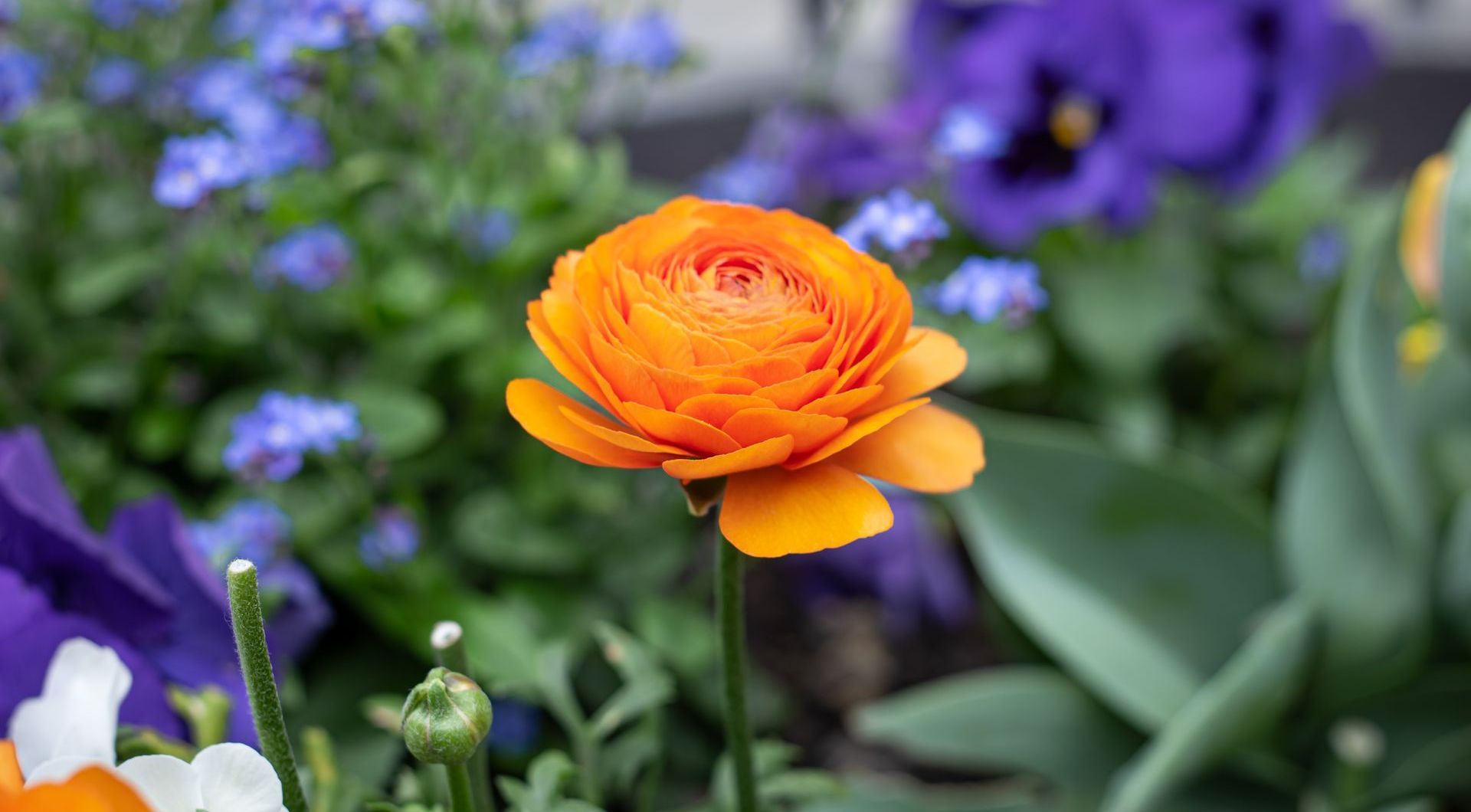
Summer is the season to enjoy vibrant, colourful gardens, but the warmer months also mean your flowers need a little extra care to thrive. With consistent feeding, watering, and maintenance, you can keep your roses, annuals, and shrubs looking their best, encourage abundant blooms, and ensure your garden stays healthy and fresh all season long. Follow these simple summer flower care tips to make the most of your sunny garden!
Summer Flower Care Tips
- Fertilise roses with Sudden Impact for Roses for abundant blooms and disease resistance
- Feed fuchsias & geraniums with a potassium-rich fertiliser
- Cut back and feed annuals for continuous summer colour
- Deadhead roses and water deeply for a second flush of blooms
- Trim flowering shrubs that have finished to encourage new growth
- Mulch garden beds to retain moisture and keep them looking fresh
- Deadhead annuals to encourage new blooms and prolong the flowering season
- Feed potted plants to maintain vigorous growth
Read our blog on adding summer colour and life to your garden - packed with great tips and planting suggestions.
Keeping Your Fruit Garden Productive This Summer
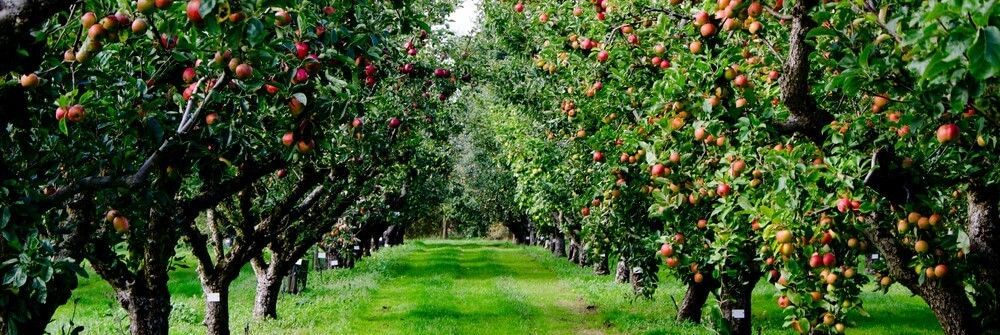
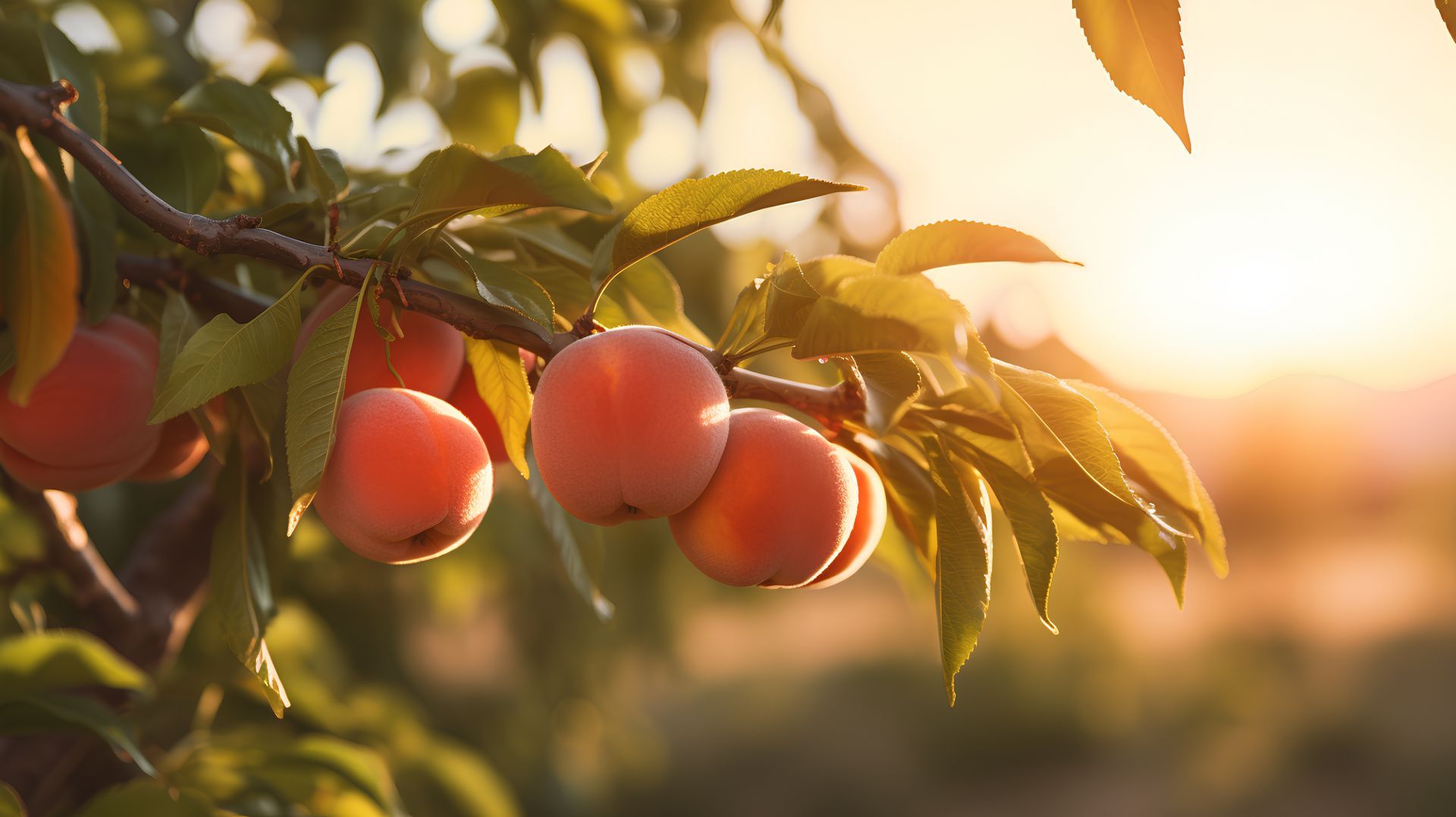
To keep your fruiting trees healthy this summer, monitor for aphids, caterpillars and pear and cherry slug. Spray cherry, apple, pear, quince, and medlar trees with Yates Success, or sprinkle Garden Lime or wood ash over the foliage to control Pear and Cherry Slug. If left unchecked, this pest can significantly reduce the health, vigour, and fruit yield of your trees, and in severe infestations, may even kill the plant.
Keep the area around your fruit tree’s base free of weeds to help it access water and nutrients more effectively.
Ensure raspberries and strawberries are kept well-watered while fruit is forming and ripening, and watch for rust on raspberries - treat with a copper-based spray and avoid overhead watering.
Keep soil consistently moist as temperatures rise and rainfall can be unpredictable.
Water deeply at the base, early morning or late afternoon, to prevent stress.
Mulching around your fruit trees/plants will help retain moisture, reduce watering needs, and keep your garden looking its best.

Keep Your Lawn Lush This Summer
As temperatures rise and we spend more time outdoors finding ways to stay cool, it’s important to consider how the heat affects your lawn. Keeping your grass healthy through summer comes down to choosing the right lawn type and providing proper care.
- Watering: Regular, deep watering encourages strong, deep roots.
- Feeding: An occasional boost with a quality lawn fertiliser keeps your lawn lush and resilient.
- Health: A healthy lawn is less vulnerable to weeds and disease, helping it stay vibrant all season long.
With the right care, your lawn can thrive even in the heat of summer.
The Vegie Garden
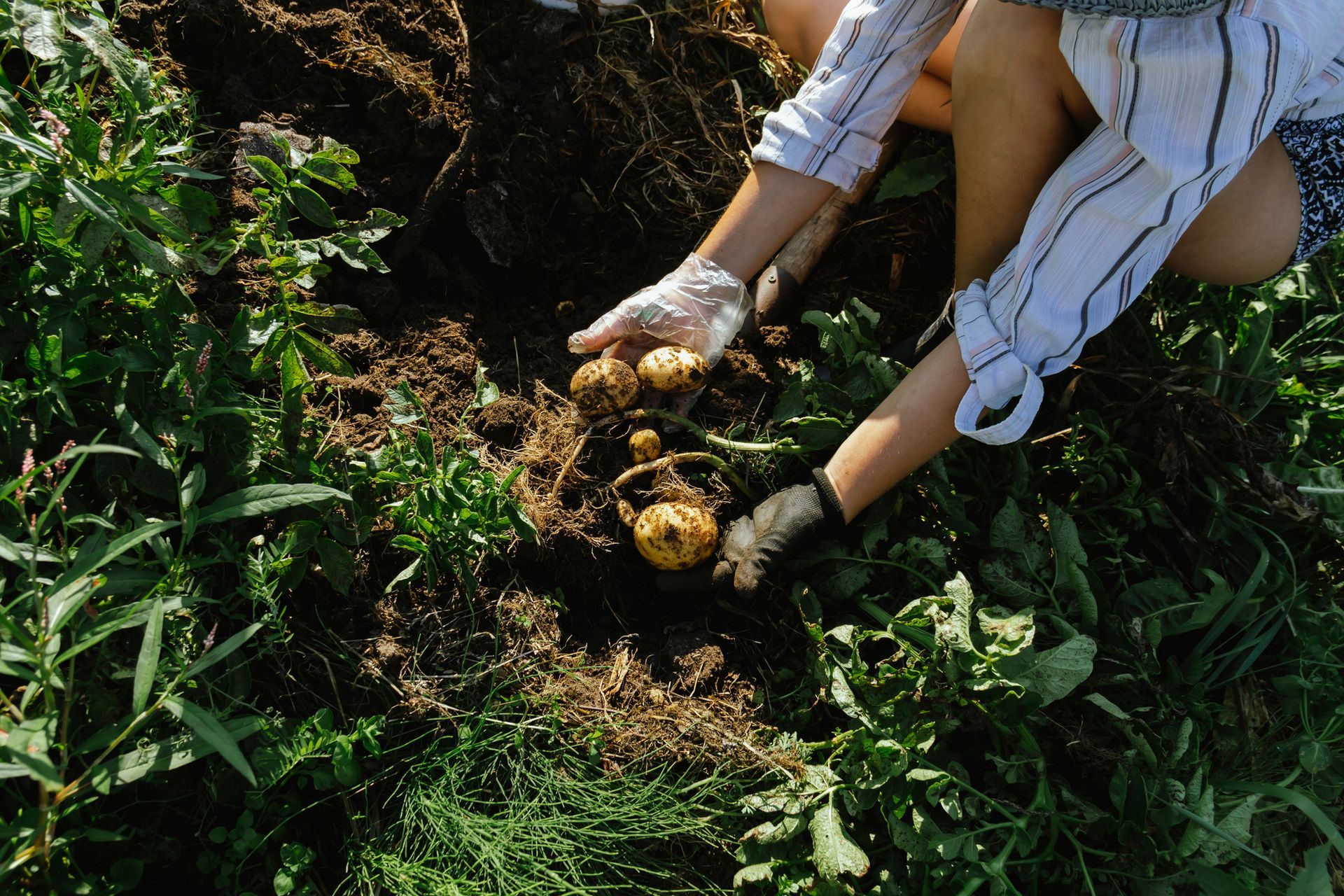
December is when the vegetable garden comes alive in Tasmania. With the warmer days and longer sunlight hours, plants grow rapidly, and gardeners start to enjoy the rewards of their efforts. Now is the perfect time to plant, sow, and maintain your summer garden to ensure a bountiful harvest.
Planting and Sowing for Summer Success
With the summer heat arriving, it’s the perfect time to plant a wide range of vegetables for a bountiful harvest. Warm-season vegetables thrive now, and planting at this time gives them plenty of time to grow strong and productive, ensuring fresh, homegrown produce throughout summer.
What to Plant This Month:
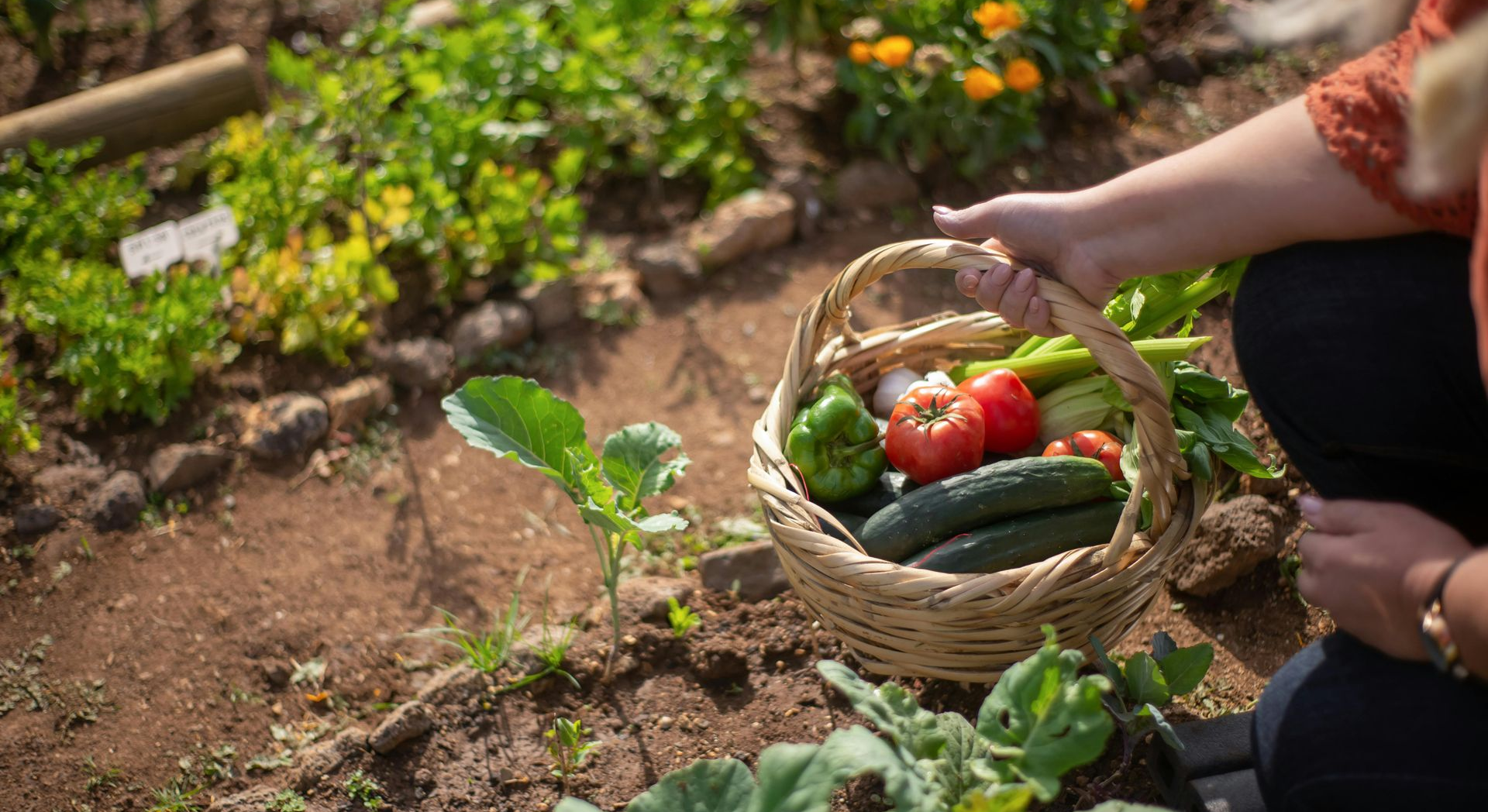
This month is perfect for planting a wide range of vegetable seedlings. Start capsicums, chillies, zucchini, cucumber, eggplant, pumpkin, and advanced tomatoes for a bountiful summer harvest. Don’t forget sweetcorn, cress, kale, leek, celery, lettuce, okra, warrigal greens and spring onions - all ideal for planting now and enjoying fresh, homegrown produce throughout the season.
Sow seed:
Beans, carrots, parsnip, radish, lettuce, pumpkin, eggplant, salad onion, cauliflower, brussels sprouts, silverbeet, corn, swede and turnips.
When sowing brassicas over summer, choose an open position with afternoon shade to prevent them from bolting. Protect seedlings from cabbage white butterfly using Eco Oil or food-grade Diatomaceous Earth - both are safe, organic solutions.
- Maintain a regular watering regime for all your vegetables
- Mulch sweetcorn and tomatoes and feed with Potash as fruit develops
- Control leaf-eating grubs with Yates Success
- Remove lower leaves on tomatoes to reduce soil-borne disease
- Harvest peas and other summer vegies regularly to boost production
- Apply a wetting agent to pots and hanging baskets to prevent drying out
With consistent watering, fertilising, and regular maintenance, your garden will flourish throughout December and into summer. Focus on planting, protecting young seedlings, and maintaining fruit, flowers, and vegetables to ensure healthy growth and bountiful harvests.
Cute Christmas Trees for the Garden
Traditionally, Picea abies (Norway Spruce) was the go-to living Christmas tree. These days, many gardeners prefer smaller, easier-to-maintain trees:
- Picea ‘Xmas Star’ is the perfect mini Christmas tree - compact, hardy, and gorgeous in pots or on the patio.
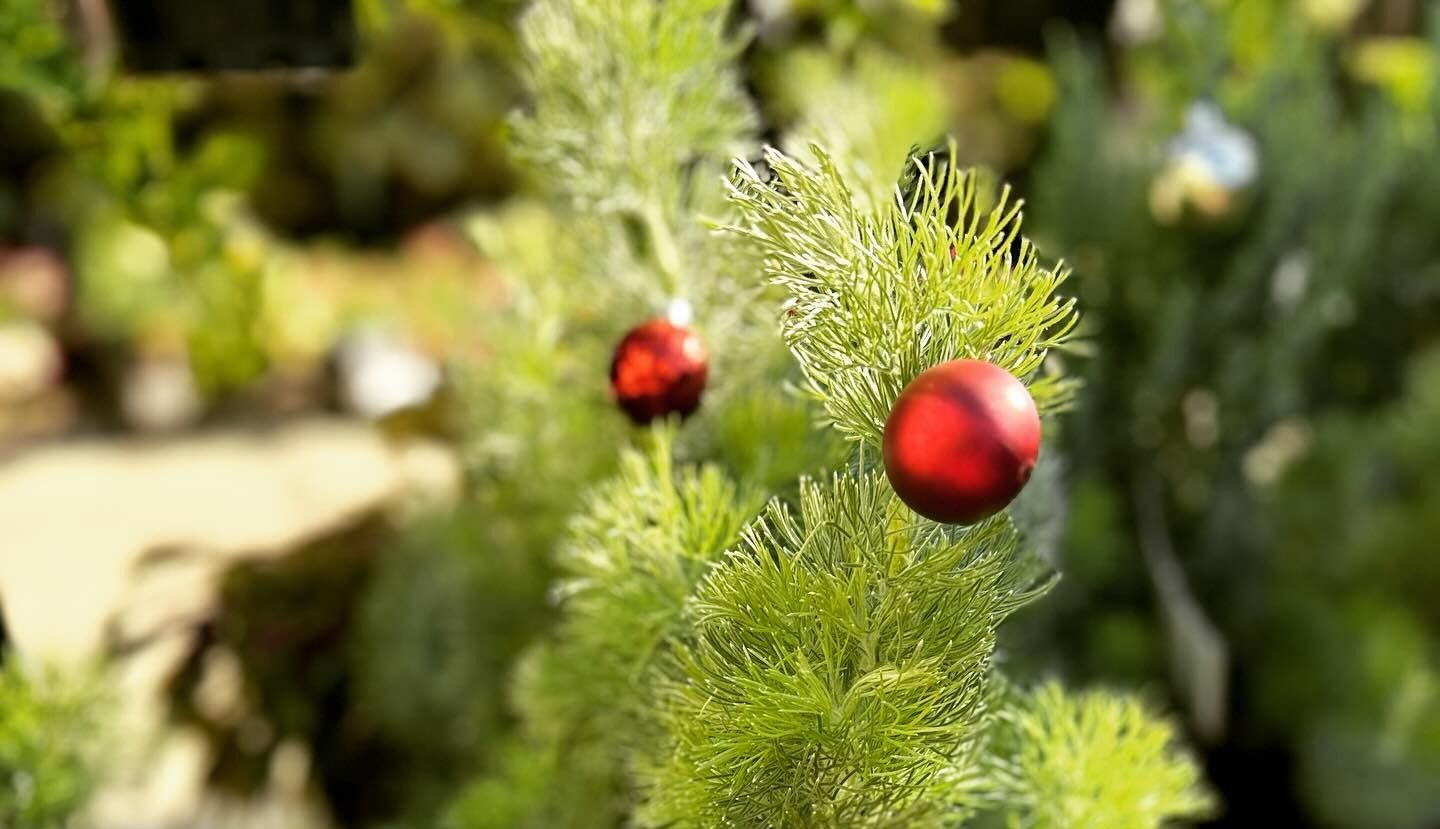
- Adenanthos (Woollybush): An Australian native shrub or small tree that works beautifully as a festive alterntiave
- Thuja Smaragd: A lush, green conical conifer, growing 2–2.5m, perfect for tubs, hardy, and neat in shape
Come in-store to choose from our great range of potted Christmas trees in various sizes - perfect for both indoor decorating and outdoor display!
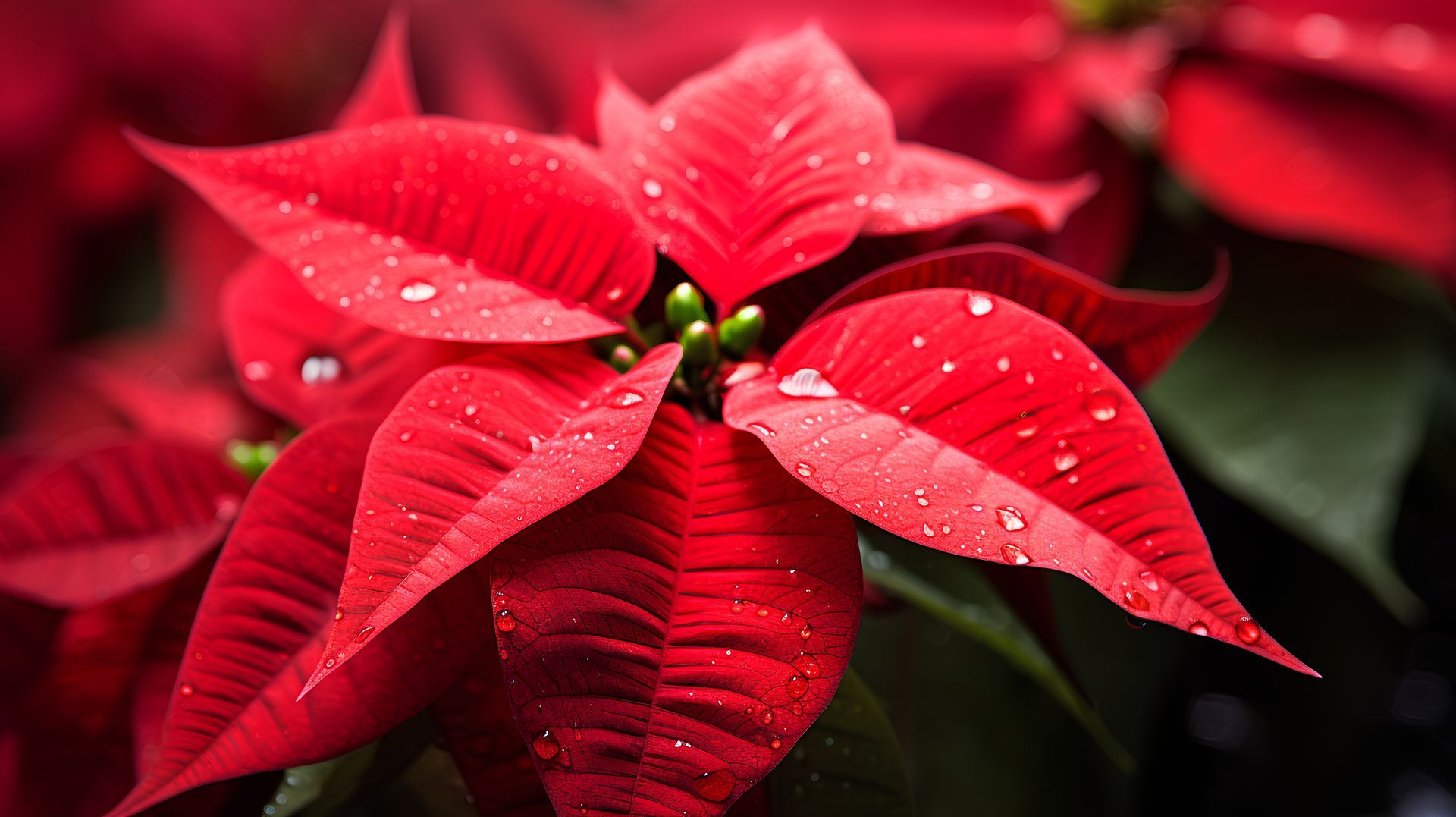
Poinsettias - A Festive Indoor Favourite
There’s no plant more synonymous with December than the Poinsettia! Originating in Mexico, Poinsettias are technically a succulent, although their leaves are not fleshy. They thrive in warm temperate, sub-tropical, or tropical climates but can survive quite happily indoors in cooler regions like Tasmania.
While Poinsettias can be planted in the garden during warmer months, they are most commonly displayed in pots as part of festive décor throughout December. If grown indoors, they require at least 6 hours of bright, indirect sunlight and around 14 hours of darkness daily to maintain their brilliant red blooms. Avoid direct sun to maintain the vibrant colour of the bracts and avoid bleaching.
If planting in the garden, plant them in a sunny, sheltered spot and keep them protected from frost and cold winds (or bring them inside during chilly weather).
*Take care when handling, as Poinsettia stems exude a milky sap when cut or damaged, which can cause skin irritation in some people.
Fill a large bowl or pot with lots of Poinsettias for a stunning display that lasts for months and is sure to get everyone talking. They’re one of the best-value Christmas plants around and a true festive favourite!
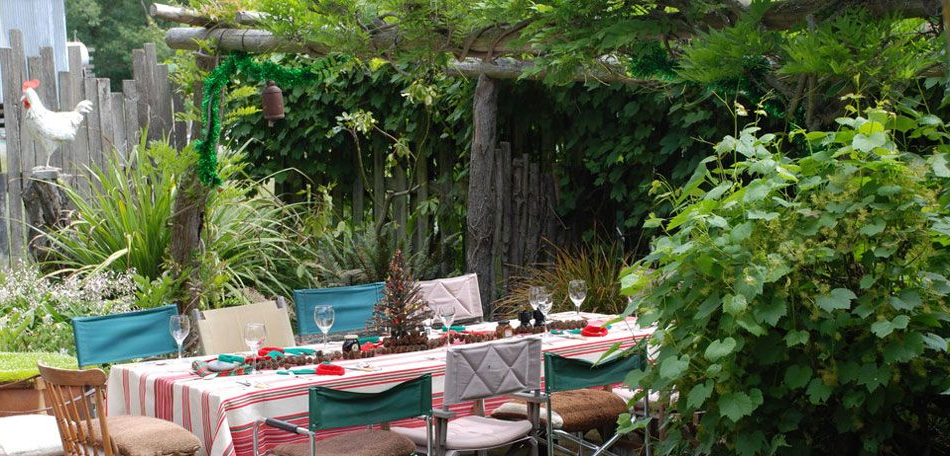
Spruce Up Your Garden for Christmas
As we head into the festive season, now is the perfect time to freshen up your outdoor spaces and give your garden a cheerful lift. Consider updating worn outdoor furniture too - fresh cushions, a new setting, or a coat of paint can completely transform your outdoor space and make it feel ready for summer entertaining.
Add instant colour and charm by filling bare spots with potted plants. Place pots around decks, verandahs, and patios for a festive touch. For a traditional Christmas feel, choose red and white petunias. Enhance your outdoor living spaces with small touches like a bird bath, gorgeous pots, a gentle wind chime, or water feature. And don’t forget to remove any dead or struggling plants - nothing brings down the garden’s vibe faster than dead foliage.
Instant Garden Makeover: Mulching
Mulching is an easy way to give your garden an instant lift while keeping plants healthy - benefits include:
- Reducing moisture loss and conserving water
- Suppressing weeds
- Protecting roots from summer heat
Popular mulches:
- Straw: Adds nutrients as it breaks down, but decomposes faster
- Bark: Fine, coarse, or composted; coarse lasts longer but adds little to soil nutrition
- Organic mulch: Shredded tree waste, great for budget or native-style gardens
- Gravel & pebbles: Long-lasting, ideal for formal or modern gardens, but no soil benefit
Tip: Aim for a mulch layer of around 75mm - thick enough to retain moisture, but not so thick that water can’t reach the soil. Mulching is one of the best gifts you can give your plants this Christmas!
Take Time to Enjoy:
Take a break over Christmas and enjoy the fruits of your labour!
Check out our
Summer Gardening blog for more handy tips and advice!